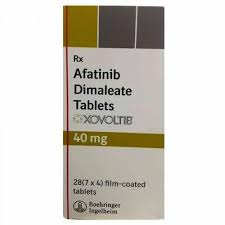
Xovoltib 40mg Tablet (Afatinib)
 Prescription Required
Manufactured By
Boehringer ingelhein
Pack Of
28
Salt Composition
Afatinib
Storage
Keep in cold place
ALL SUBSTITUTES
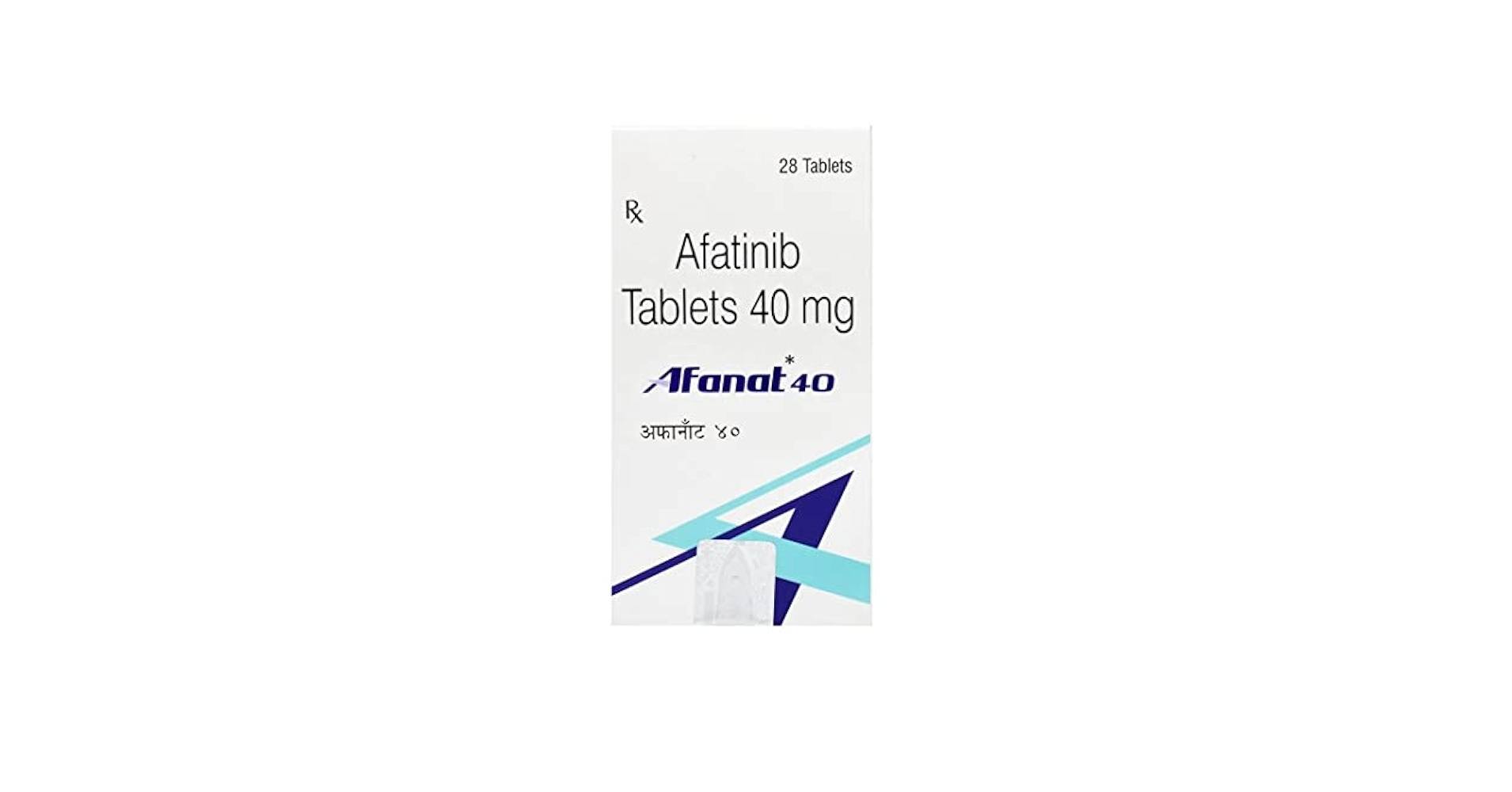
Afanat 40mg Tablet
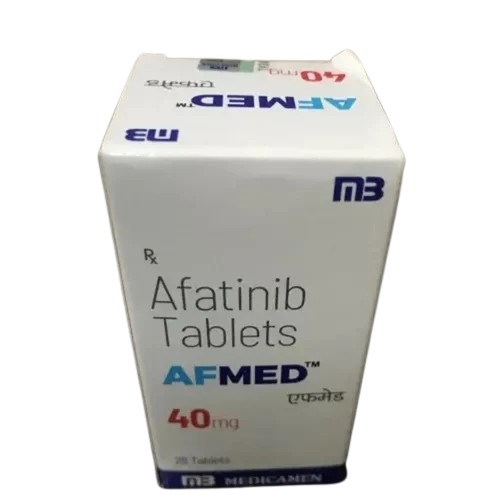
Afmed 40mg Tablet
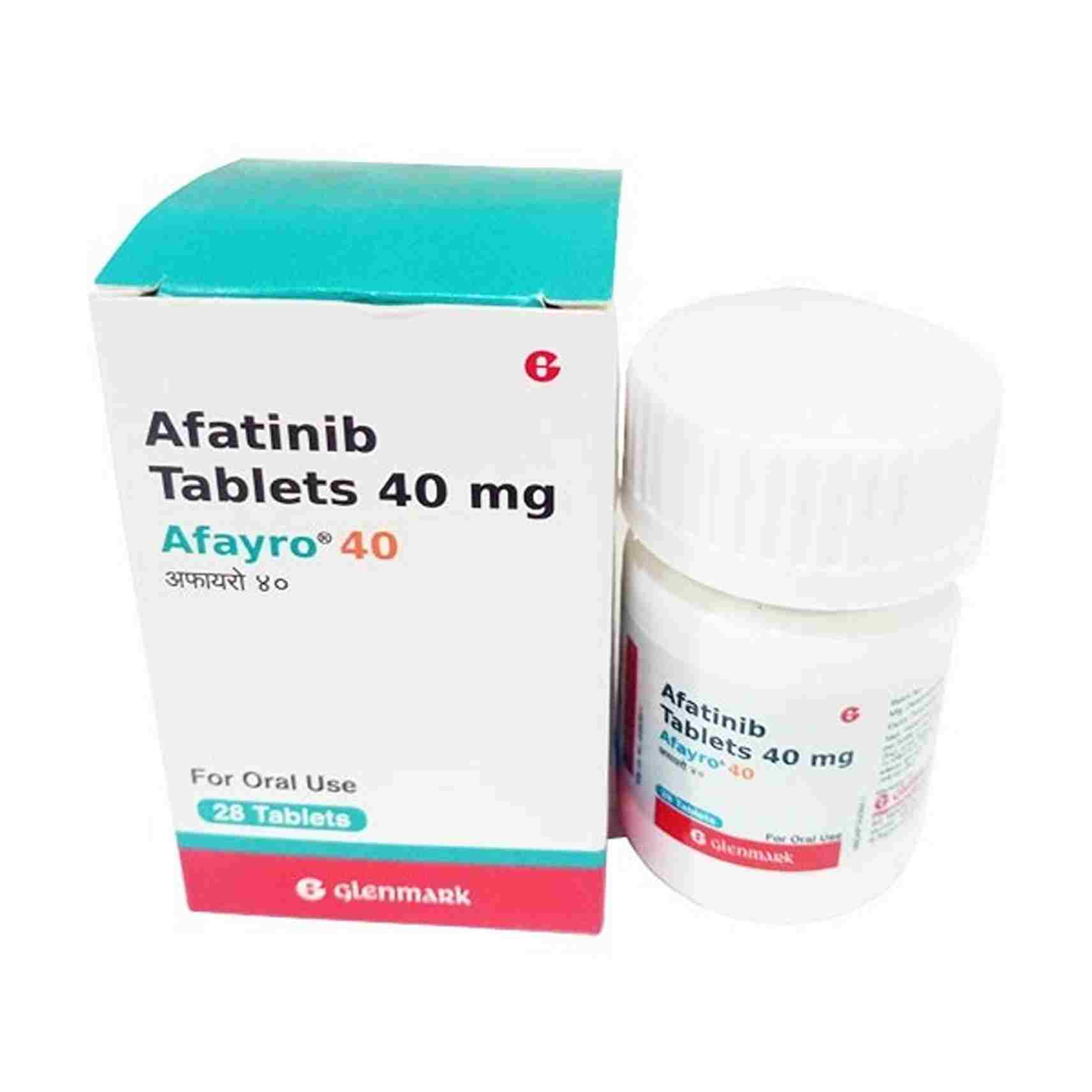
Afayro 40mg Tablet
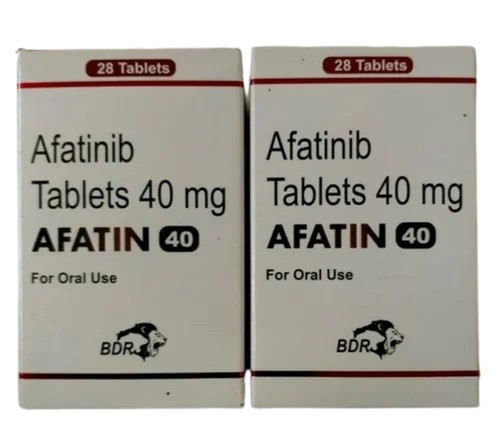
Afatin 40mg Tablet
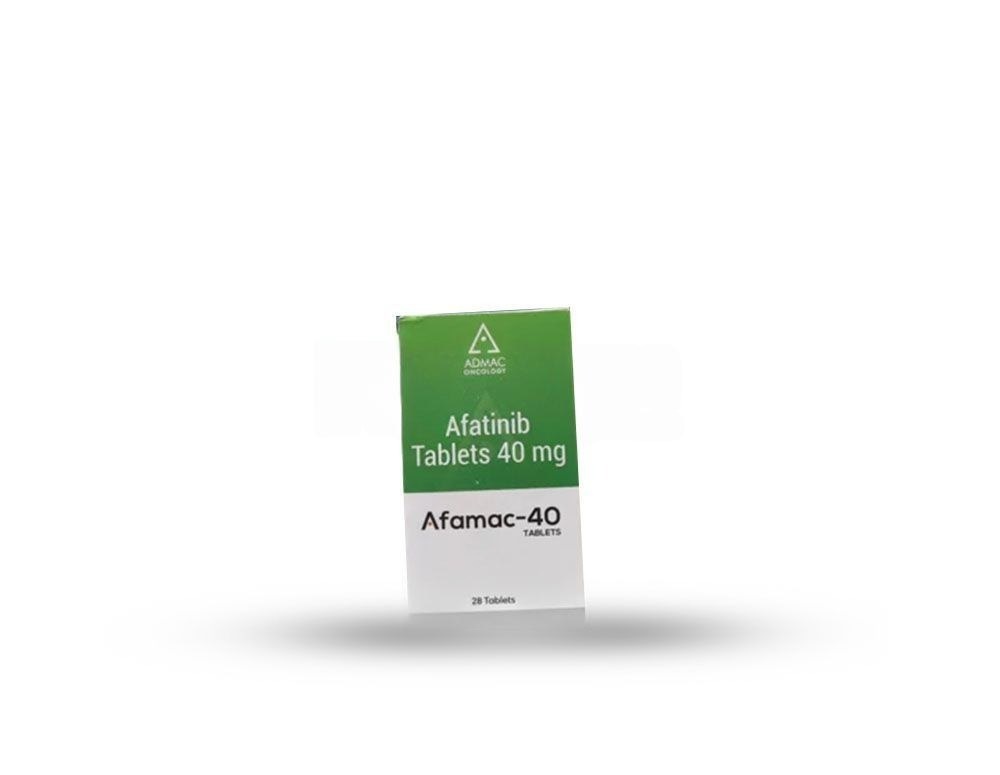
Afamac 40mg Tablet
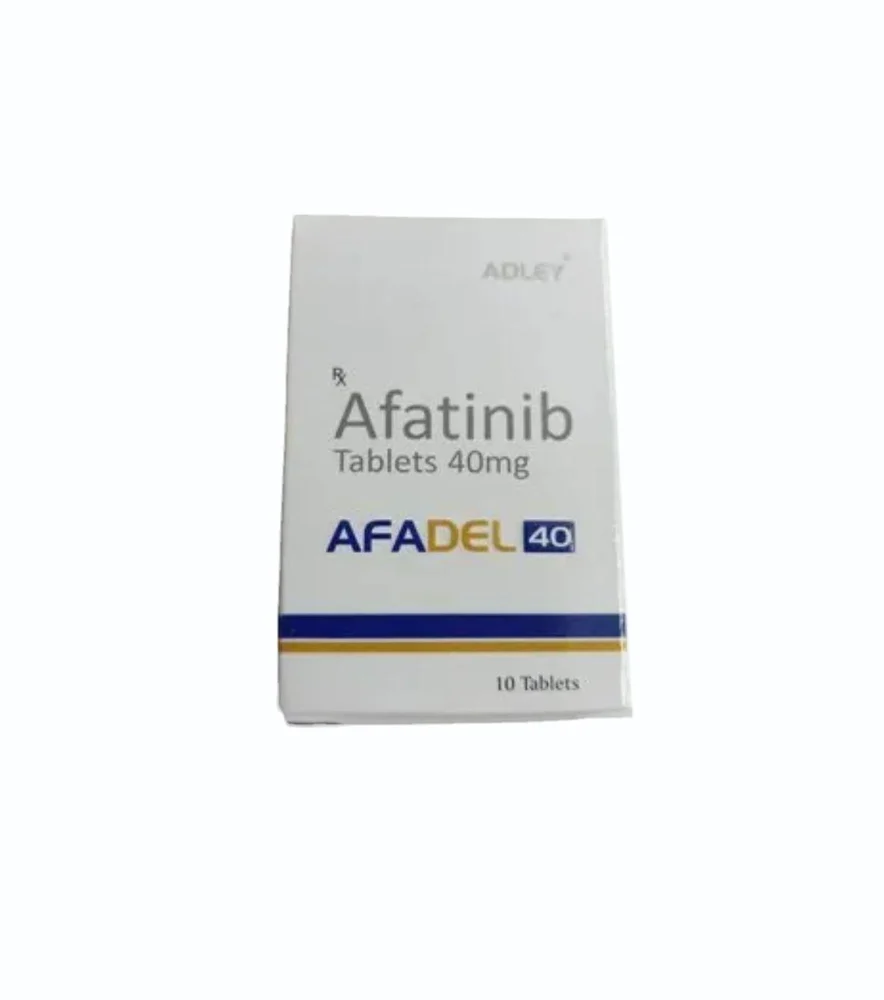
Afadel 40mg Tablet
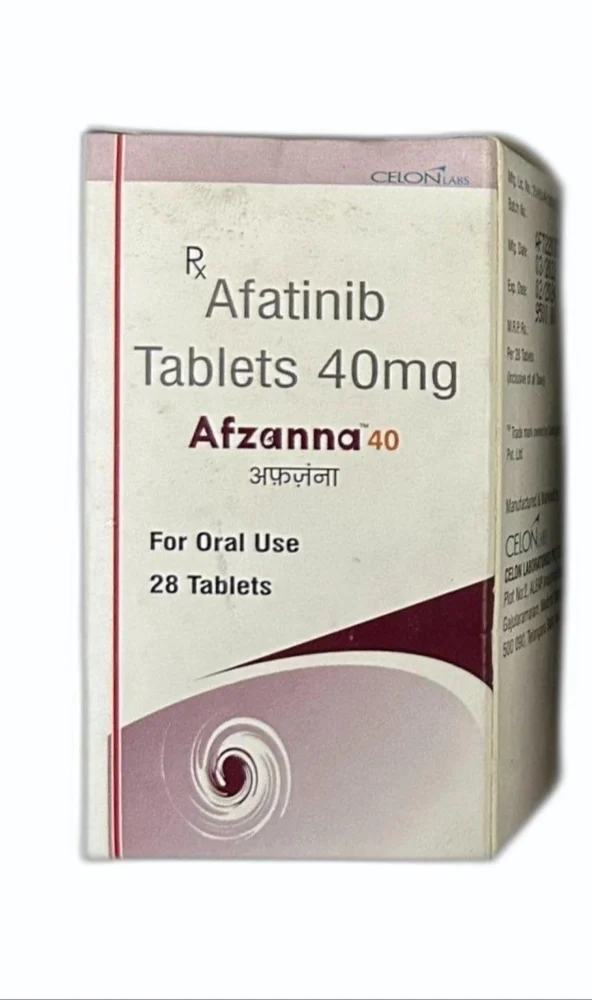
Afzanna 40mg Tablet
Overview
Xovoltib 40mg Tablet (afatinib) is a targeted anticancer medicine. It is prescribed to treat non-small cell lung cancer in the adult patients who have certain mutations of epidermal growth factor receptor (EGFR). It contains afatinib as an active ingredient that belongs to the class of medications known as tyrosine kinase inhibitors. It works by inhibiting the EGFR proteins that send growth signals for the multiplication of cancer cells. By blocking this protein, the medicine slows down or stops the growth and spread of cancer cells.
The tablet is taken orally and exactly as prescribed by the doctor. The tablet must be swallowed as whole with water and should not be crushed, chewed, or broken. It is usually taken on an empty stomach, at least one hour before or two hours after food. Afatinib 40mg Tablet is given once daily, and a doctor decides the dose and timings according to the patient's condition, combination therapy, clinical response, and stage of cancer. Patients are advised not to change the dosage because it can lead to severe side effects.
Common side effects include diarrhea, skin rash, acne-like skin eruptions, dry skin, mouth sores, nail problems, itching, decreased appetite, nausea, vomiting, and nosebleeds. A few patients can undergo severe side effects, including severe skin blistering or peeling, difficulty breathing or worsening cough, liver problems, severe abdominal pain and eye pain. Most of the Afatinib 40mg Tablet side effects can leave when the body adapts to the medicine. However, if any side effects persist, inform your doctor immediately.
The medicine can harm an unborn baby, so women who are pregnant or planning pregnancy should consult with their doctor. Breastfeeding should be avoided during treatment. Patients must list all medicines, supplements, and herbal products that they are taking. The Afatinib 40mg Tablet must be used under medical oversight or medical supervision only. Attend regular tests and follow-ups to monitor the medicine response and reduce side effects. Before making any adjustments, changing the dose, or stopping the treatment, consult with your doctor to maximize the benefit.
Quick Product Facts
| Field | Publication wording |
|---|---|
| Brand | xovoltib |
| Generic / Active Ingredient | Afatinib |
| Strength | 40 |
| Dosage Form | Tablet |
| Manufacturer / Marketer | boehringer ingelhein |
| Pack Size | 28 |
| Prescription Required | Yes |
| Therapeutic Categories | Cancer Medicines |
| Uses | Lung Cancer |
Uses and Indications
Non-Small Cell Lung Cancer
Side Effects of Xovoltib 40mg Tablet
Every medicine has some side effects that resolve on their own as your body gets used to the medicine, but some people may rarely experience severe side effects. In that case, the patient should contact the doctor immediately.
Some common side effects of Xovoltib 40mg Tablet (afatinib) include:
● Diarrhea
● Rash
● Dry skin
● Nausea
● Vomiting
● Loss of appetite
● Itching
● Stomatitis (inflammation of the mouth)
● Nail disorder
Xovoltib 40mg Tablet Dosage and How To Take It
Take the Xovoltib 40mg Tablet (afatinib) in the dosage as prescribed by the doctor. Dosage and the duration are determined as per the patient's health condition. This tablet should be swallowed as a whole with water. Don't crush, chew, or break the tablet. It should be taken on an empty stomach. Never skip a dose or double dose.
Safety Advice for Xovoltib 40mg Tablet
- ● Alcohol: Consumption of alcohol during the treatment with Xovoltib 40mg Tablet (afatinib) usually doesn't show any major issues.
- ● Pregnancy: Do not take the Xovoltib 40mg Tablet without consulting the doctor in case of pregnancy, as it is unsafe to take it during this period.
- ● Breastfeeding: Breastfeeding women should discuss the potential risks and benefits of the Xovoltib 40mg Tablet (afatinib) with their healthcare provider before starting treatment.
- ● Driving: The Xovoltib 40mg Tablet may cause side effects such as dizziness or lack of concentration, which could affect your ability to drive. So it's better to avoid driving.
- ● Kidney: Inform your doctor if you have kidney-related issues before taking the Xovoltib 40mg Tablet (afatinib), as dosage adjustments may be required for patients with severe renal impairment.
- ● Liver: Xovoltib 40mg Tablet (afatinib) is safe for use in liver disease if prescribed by the doctor. No dosage adjustment is necessary for this tablet.
FAQs About Xovoltib 40mg Tablet
What are the uses of the Xovoltib 40mg Tablet (afatinib)?

Xovoltib 40mg is an anticancer medicine used to treat non-small cell lung cancer with certain mutations of EGFR in adults.
What are the common side effects of taking the Xovoltib 40mg tablet?
Common side effects of taking Xovoltib 40mg included headache, diarrhea, vomiting, nausea, dizziness, rash, fatigue, weakness, skin rash, dry skin, mouth sores, nail problems and abdominal pain.
How does the Xovoltib 40mg Tablet (afatinib) work?
Xovoltib 40mg works by targeting and blocking the action of specific receptors to slow down the spread of cancer.
Is it safe to drive after taking the Xovoltib 40mg tablet (afatinib)?
It is not safe to drive after taking this medicine, as it can cause dizziness or lack of concentration, which are common symptoms.
Is it safe to take the Xovoltib 40mg tablet if a patient has a kidney- or liver-related condition?
Patients with kidney or liver conditions must consult their doctor before taking the Xovoltib 40mg Tablet (afatinib). While mild impairment may not require changes, close monitoring or dosage adjustments may be necessary depending on the severity of the condition.
References
● Sequist, L. V., Yang, J. C. H., Yamamoto, N., O'Byrne, K., Hirsh, V., Mok, T., ... & Schuler, M. (2013). Phase III study of afatinib or cisplatin plus pemetrexed in patients with metastatic lung adenocarcinoma with EGFR mutations. Journal of clinical oncology, 31(27), 3327-3334.
● Yang, Z., Hackshaw, A., Feng, Q., Fu, X., Zhang, Y., Mao, C., & Tang, J. (2017). Comparison of gefitinib, erlotinib and afatinib in non‐small cell lung cancer: A meta‐analysis. International journal of cancer, 140(12), 2805-2819.
● Modjtahedi, H., Cho, B. C., Michel, M. C., & Solca, F. (2014). A comprehensive review of the preclinical efficacy profile of the ErbB family blocker afatinib in cancer. Naunyn-Schmiedeberg's archives of pharmacology, 387(6), 505-521.
● Nelson, V., Ziehr, J., Agulnik, M., & Johnson, M. (2013). Afatinib: emerging next-generation tyrosine kinase inhibitor for NSCLC. OncoTargets and therapy, 135-143.
● Dungo, R. T., & Keating, G. M. (2013). Afatinib: first global approval. Drugs, 73(13), 1503-1515.
Marketer Details
Boehringer ingelhein
Author Details

Written By:
Nonish Sharma
I am a medical content writer with a strong academic background in life sciences, holding an M.Sc. in Biotechnology... Read More

Reviewed By:
Vaibhav Shakya
Dr. Vaibhav Shakya, MD, is a Medical reviewer and medicine expert at Globans Pharma, with more than 9 years of experienc... Read More
Want to know More
Check our Editor Policy
Disclaimer
Globanspharma main goal is to ensure that its consumers get correct, authentic, and reliable information that has been examined by medical professionals. This website's content has only been created for informational purposes. However, this is not meant to replace the medical advice and treatment given by a qualified physician. The information presented herein may not cover everything about particular lab tests, medicines, and health conditions, all possible side effects, and warnings. Please discuss all your queries related to any medication and illness with your doctor. We intend to support and maintain the doctor-patient relationship, not to substitute it or take its place.