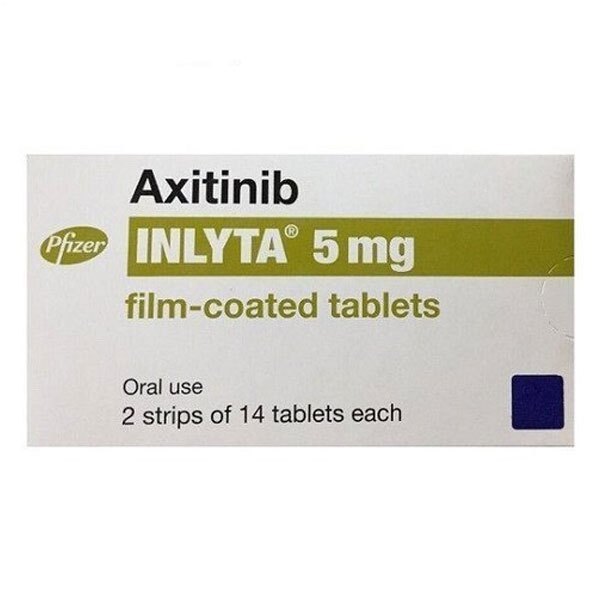
Inlyta 5mg Tablet (Axitinib)
 Prescription Required
Manufactured By
Pfizer ltd
Pack Of
28
Salt Composition
Axitinib
Storage
20°C–25°C / room temperature

Fast Delivery

Easy Returns

Secure Payments

Up to 60% Discounts
ALL SUBSTITUTES
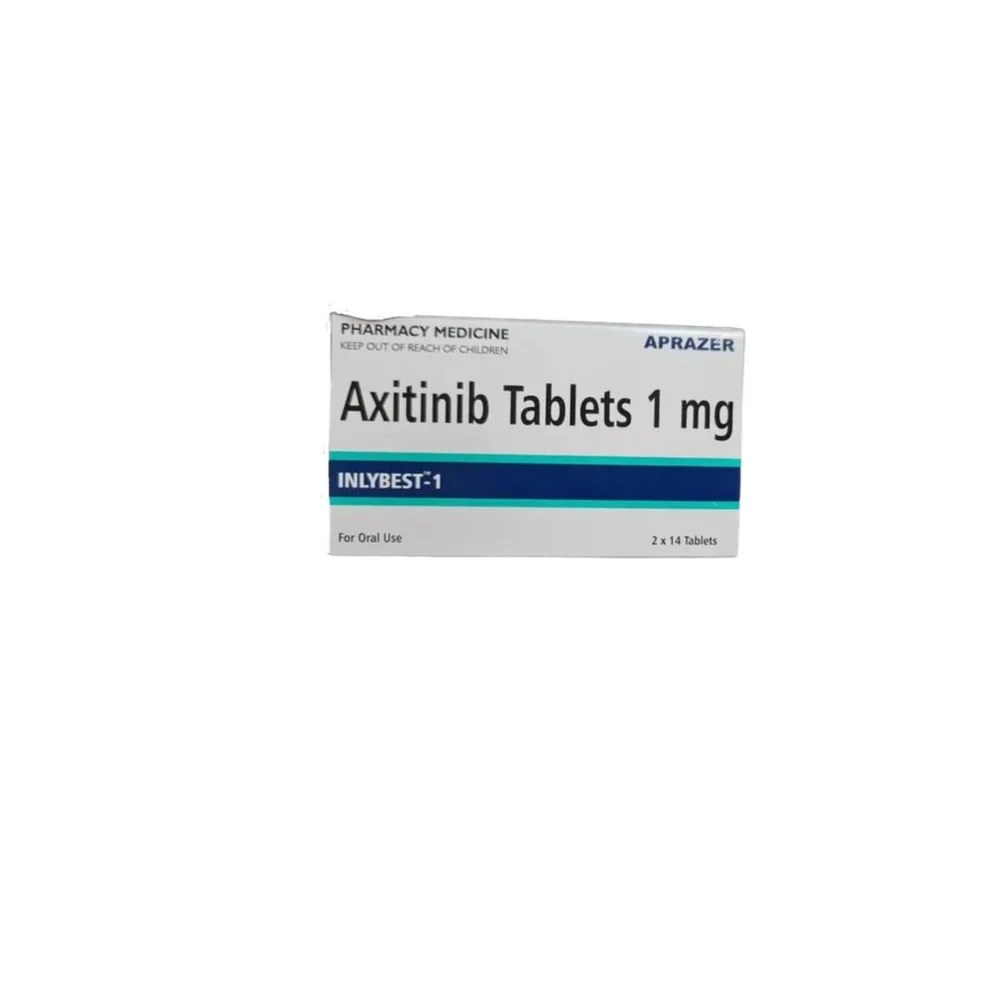
Inlybest-1 Tablet
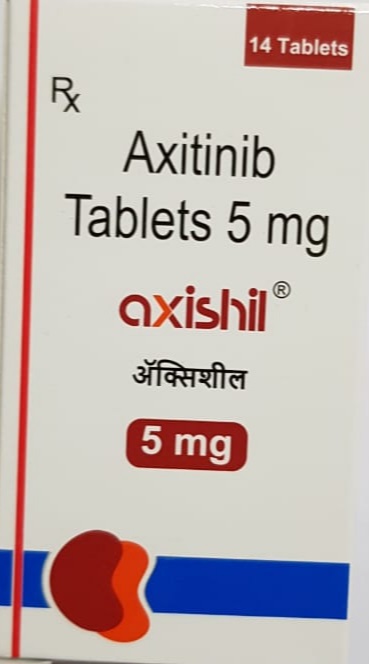
Axishil 5mg Tablet
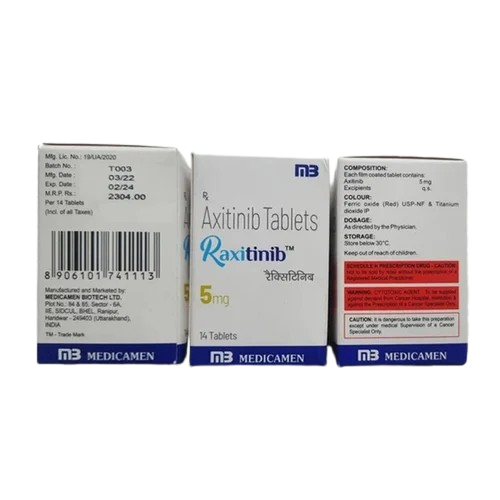
Raxitinib 5mg Tablet
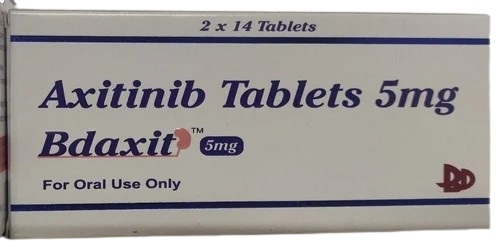
Bdaxit 5mg Tablet
Bexinib 5mg Tablet
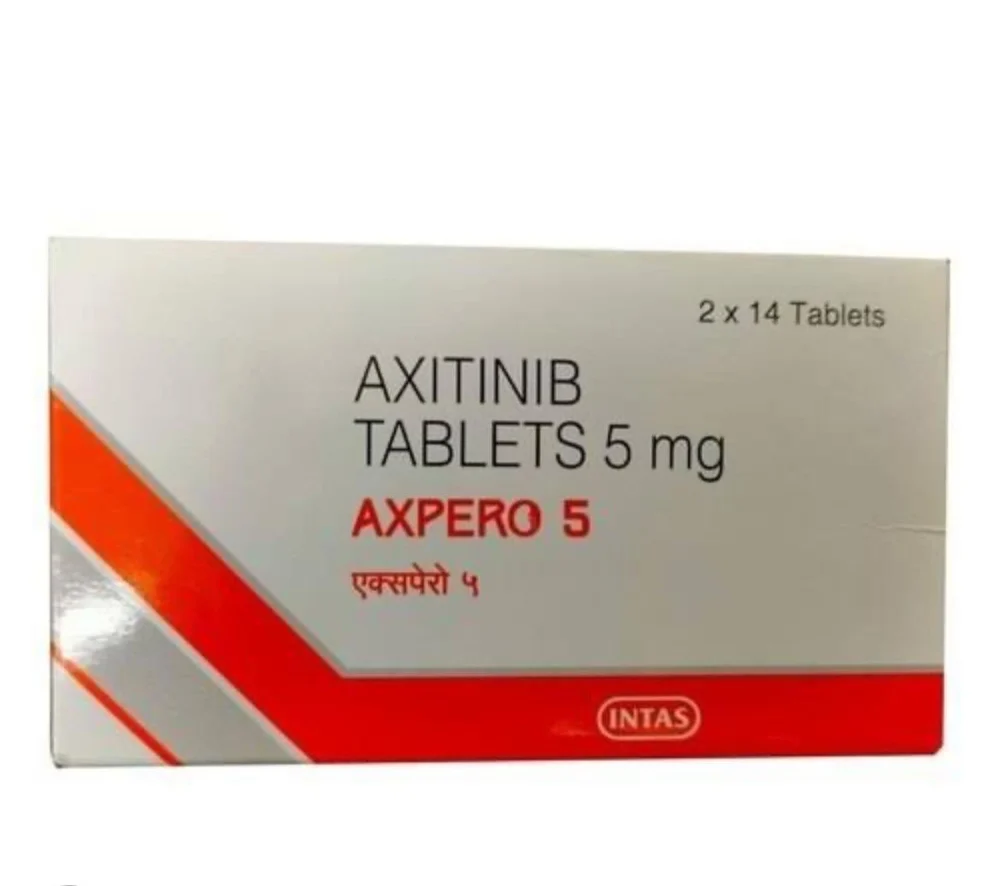
Axpero 5mg Tablet
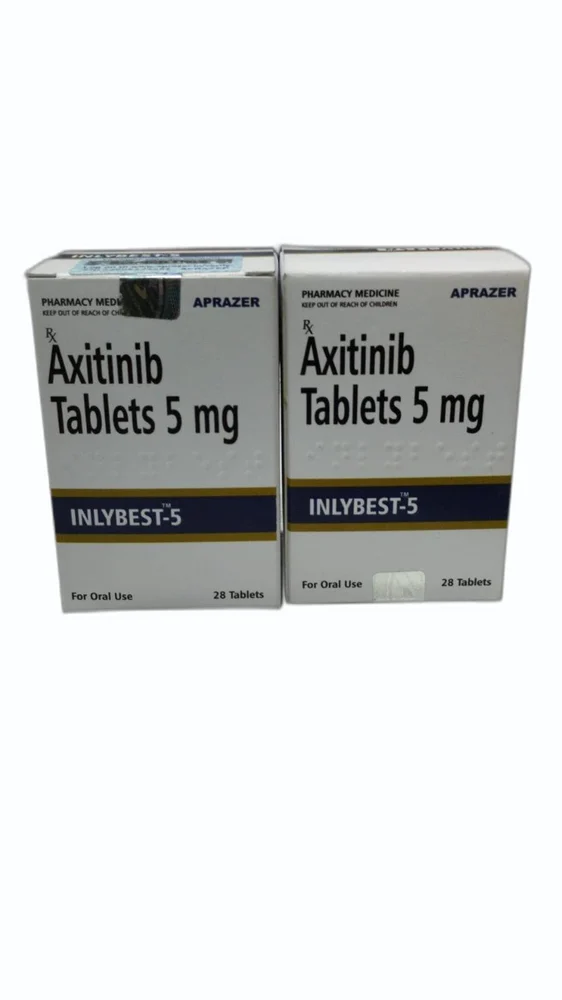
Inlybest 5mg Tablet
Overview
Inlyta 5mg Tablet contains axitinib, an oral targeted cancer medicine that is used in the treatment of kidney cancer. It works by blocking the proteins called VEGFR-1, VEGFR-2, and VEGFR-3. These proteins help cancer cells form new blood vessels that supply them with oxygen and nutrients.
By blocking these signals, the axitinib tablet can slow the growth of new blood vessels and help control advanced renal cell carcinoma (RCC). It may be used alone after previous cancer treatment or in combination with certain immunotherapy medicines as an initial treatment. Important risks include high blood pressure, bleeding, blood clots, thyroid problems, liver changes, and slower wound healing.
Quick Product Facts
| Field | Publication wording |
|---|---|
| Brand | Inlyta |
| Generic / Active Ingredient | Axitinib |
| Strength | 5 |
| Dosage Form | Tablet |
| Manufacturer / Marketer | pfizer ltd |
| Pack Size | 28 |
| Prescription Required | Yes |
| Therapeutic Categories | Cancer Medicines |
| Uses | kidney cancer |
Uses and Indications
Axitinib 5 mg Tablet is primarily used to treat:
- Advanced renal cell carcinoma (RCC): Cancer of the kidneys that has already spread or is not being effectively treated with surgery alone.
Axitinib tablets can be used either as a monotherapy after prior systemic therapy or in combination with other drugs like pembrolizumab and avelumab in the treatment of advanced RCC. However, the treatment options depend on the type of cancer and other factors.
How Inlyta 5mg Tablet Works
This drug acts as a receptor antagonist of VEGFR-1, VEGFR-2, and VEGFR-3, which are molecules that play an important role in angiogenesis. This means that axitinib interferes with the blood supply to the tumor cells and slows down the development of the disease.
Clinical Evidence for Inlyta 5mg Tablet
AXIS: Inlyta 5mg Tablet helped patients with previously treated advanced kidney cancer live longer without the disease getting worse compared with sorafenib.
KEYNOTE-426: The combination of pembrolizumab and axitinib tablets provided better treatment outcomes than sunitinib in patients receiving first-line treatment for advanced kidney cancer.
JAVELIN Renal 101: Avelumab combined with axitinib 5mg tablet improved the time before the cancer worsened in the studied patients receiving first-line treatment for advanced kidney cancer.
Side Effects of Inlyta 5mg Tablet
With the use of the Inlyta 5mg Tablet, some individuals might suffer from adverse effects due to the influence of the drug on blood vessels and other physiological processes in the body. Some of the side effects of the medicine may include:
Common side effects
- Diarrhea
- Hypertension
- Fatigue
- Reduced appetite
- Nausea
- Weight loss
- Hoarseness
- Hand-foot syndrome
Serious side effects
- Hypertensive crisis
- Arterial/venous thromboembolism
- Serious bleeding
- GI perforation/fistula
- PRES
- Heart failure
Critical Safety Warning
HYPERTENSION + VASCULAR RISK: Inlyta 5 mg Tablet causes high blood pressure and may lead to blood vessel issues. Blood pressure should be controlled before starting the medication and must be monitored closely by the doctor. In case you experience a severe headache, neurological symptoms, chest pain, excessive bleeding, or difficult breathing, contact your healthcare provider immediately.
Inlyta 5mg Tablet Dosage and How To Take It
Clinical context | Typical labelled / protocol guidance |
Starting dose | 5 mg by mouth twice a day, usually about 12 hours apart. |
Escalation | Selected patients may increase to 7 mg twice daily and then 10 mg twice daily if well tolerated. |
Reductions | If side effects occur, the dose may be reduced to 3 mg twice a day and then 2 mg twice a day if needed. |
Strong CYP3A4/5 inhibitors | Avoid if possible; adjustment may be needed. |
Important: These are educational reference regimens. The medical specialist must individualise dose, schedule, combination, organ-function adjustment, and toxicity management.
Inlyta 5mg Tablet Missed Dose
If a dose is missed or vomiting occurs after a dose, do not take an extra tablet. Take the next dose at the regular time under the guidance of the doctor.
Safety Advice for Inlyta 5mg Tablet
| Category | Status | Guidance |
|---|---|---|
| Pregnancy | Avoid | Inlyta 5mg may harm the unborn baby, so pregnancy should be avoided during treatment. |
| Blood pressure | High priority | Check blood pressure regularly because axitinib tablet can cause high blood pressure. |
| Thyroid | Monitor | Thyroid problems can occur, so thyroid function may check on regular basis.. |
| Surgery | Hold as directed | Inlyta 5mg Tablet may slow wound healing, so the doctor may ask to stop it before and after surgery. |
| Driving | Caution | Avoid driving while using axitinib 5mg tablet as this may cause fatigue or dizziness which affects alertness. |
Monitoring During Inlyta 5mg Tablet Treatment
While on the Inlyta 5mg Tablet, monitoring will help the physician evaluate the effectiveness of the medicine and detect any side effects that may arise:
- Monitor blood pressure regularly.
- Check thyroid hormone levels.
- Monitor liver function whenever needed.
- Urine protein test when necessary.
- Look out for bleeding, clotting, or cardiac conditions like abnormal bleeding, chest pains, swelling, or breathing difficulties.
Inlyta 5mg Tablet Fact Box
| Parameter | Verified / publication wording |
|---|---|
| Brand | Inlyta 5mg Tablet |
| Generic | Axitinib |
| Strength | 5 mg |
| Form | Tablet |
| Manufacturer / Marketer | Pfizer ltd |
| Pack | 28 tablets |
| Storage | 20°C–25°C / room temperature; confirm pack. |
| Prescription | Required |
| Self-treatment | Not appropriate; follow specialist prescription |
| Major safety theme | HYPERTENSION + VASCULAR RISK |
Inlyta 5mg Tablet Drug Interactions
| Drug / Class | Risk | What To Do |
|---|---|---|
| Strong CYP3A4/5 inhibitors | Can increase axitinib 5mg levels in the body and may increase side effects. | Avoid when possible or adjust the dose as advised by the doctor. |
| Strong CYP3A4/5 inducers | Can lower axitinib 5mg levels and may reduce its effect. | Avoid medicines such as rifampicin, carbamazepine, phenytoin, and St John’s wort when possible. |
| Other vascular-risk drugs | May make blood pressure or bleeding problems harder to manage. | Tell the doctor about all medicines being used so monitoring can be planned properly. |
FAQs About Inlyta 5mg Tablet
What cancer is Inlyta 5mg Tablet used for?

The axitinib 5mg tablet treats advanced renal cell carcinoma, a type of kidney cancer that has spread to other parts of the body or cannot be effectively treated with surgery alone.
How often is Axitinib 5mg tablet taken during the treatment?
The normal starting dose is 5 mg administered twice daily at intervals of about 12 hours, either with or without food. This dose can be adjusted by the doctor according to tolerance and response to the drug.
Can Inlyta 5mg be taken with food?
Yes, the Inlyta tablet can be taken with or without food as recommended by the healthcare professional.
Why monitor blood pressure?
High blood pressure (hypertension) is a very common and significant side effect that can occur while using the Inlyta 5 mg Tablet. Periodic monitoring of blood pressure is useful in detecting any changes at an early stage.
What if I vomit after taking Axitinib 5mg dose?
If one experiences vomiting when on treatment with Inlyta 5 mg tablets, there is no need to take the medication again. The next dose can be taken as advised once the problem subsides. It is important that you consult your physician if vomiting continues to occur.
Why check thyroid tests during the treatment?
The Inlyta 5 mg Tablet has an impact on the functioning of the thyroid gland in some people. Thyroid tests done regularly help the doctor identify such changes and treat you accordingly.
Can Axitinib 5mg tablet dose be increased?
The dose of the Inlyta 5mg Tablet can be increased in certain patients in whom the drug shows good tolerance. This decision regarding increasing the dose needs to be made by the oncologist.
References
- Chen, Y., Tortorici, M. A., Garrett, M., Hee, B., Klamerus, K. J., & Pithavala, Y. K. (2013). Clinical pharmacology of axitinib. Clinical pharmacokinetics, 52(9), 713-725. https://pubmed.ncbi.nlm.nih.gov/23677771/
- Gross-Goupil, M., Françlois, L., Quivy, A., & Ravaud, A. (2013). Axitinib: a review of its safety and efficacy in the treatment of adults with advanced renal cell carcinoma. Clinical Medicine Insights: Oncology, 7, CMO-S10594. https://pubmed.ncbi.nlm.nih.gov/26487541/
- Van Geel, R. M., Beijnen, J. H., & Schellens, J. H. (2012). Concise drug review: pazopanib and axitinib. The oncologist, 17(8), 1081-1089. https://pubmed.ncbi.nlm.nih.gov/22733795/
- Mittal, K., Wood, L. S., & Rini, B. I. (2012). Axitinib in metastatic renal cell carcinoma. Biologics in therapy, 2(1), 5. https://link.springer.com/article/10.1007/s13554-012-0005-2
- Bellesoeur, A., Carton, E., Alexandre, J., Goldwasser, F., & Huillard, O. (2017). Axitinib in the treatment of renal cell carcinoma: design, development, and place in therapy. Drug design, development and therapy, 2801-2811. https://www.dovepress.com/axitinib-in-the-treatment-of-renal-cell-carcinoma-design-development-a-peer-reviewed-fulltext-article-DDDT
Marketer Details
Pfizer ltd
Author Details

Written By:
Nonish Sharma
I am a medical content writer with a strong academic background in life sciences, holding an M.Sc. in Biotechnology... Read More

Reviewed By:
Vaibhav Shakya
Dr. Vaibhav Shakya, MD, is a Medical reviewer and medicine expert at Globans Pharma, with more than 9 years of experienc... Read More
Want to know More
Check our Editor Policy
Disclaimer
Globanspharma main goal is to ensure that its consumers get correct, authentic, and reliable information that has been examined by medical professionals. This website's content has only been created for informational purposes. However, this is not meant to replace the medical advice and treatment given by a qualified physician. The information presented herein may not cover everything about particular lab tests, medicines, and health conditions, all possible side effects, and warnings. Please discuss all your queries related to any medication and illness with your doctor. We intend to support and maintain the doctor-patient relationship, not to substitute it or take its place.