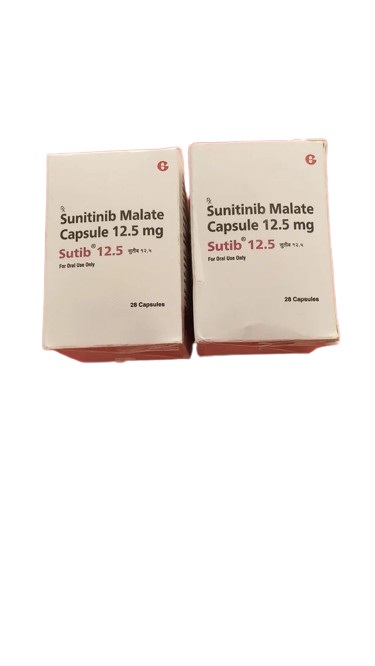
Sutib 12.5mg Capsule (Sunitinib)
 Prescription Required
Manufactured By
Glenmark
Pack Of
28
Salt Composition
Sunitinib
Storage
Store at room temperature, preferably below 30°C, in a dry place
- Quality-Assured Medicines
- Verified Suppliers
- Secure & Protective Packaging
- Worldwide Delivery
Safe and Secure
Your health and safety are our top priority. All our medicines are sourced from trusted suppliers, thoroughly tested, and approved for use. We follow strict quality control standards to ensure every product is safe, effective, and reliable. You can enquire knowing your wellness is in good hands.
ALL SUBSTITUTES
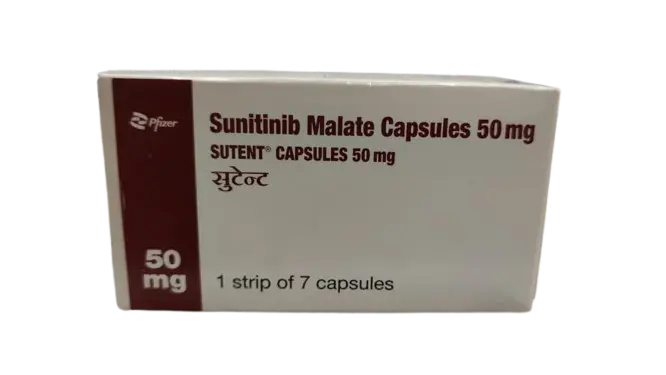
Sutent 50mg Capsule
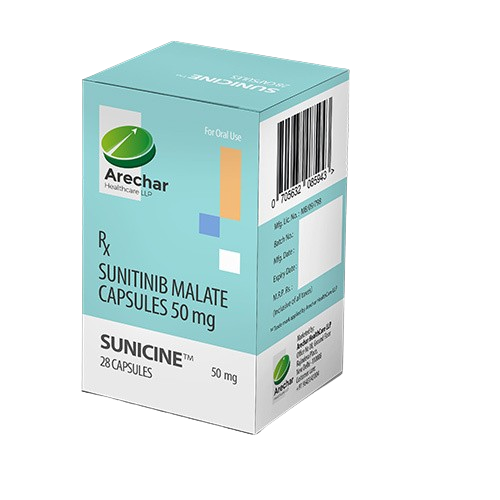
Sunicine 50mg Capsule
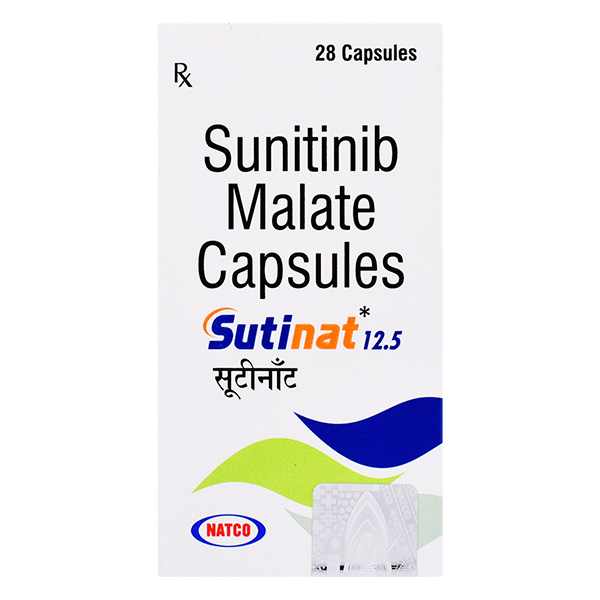
Sutinat 12.5mg Capsule
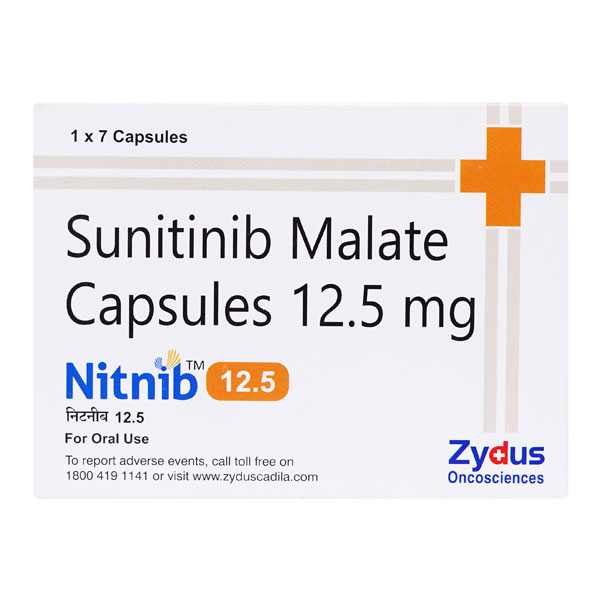
Nitnib 12.5mg Capsule
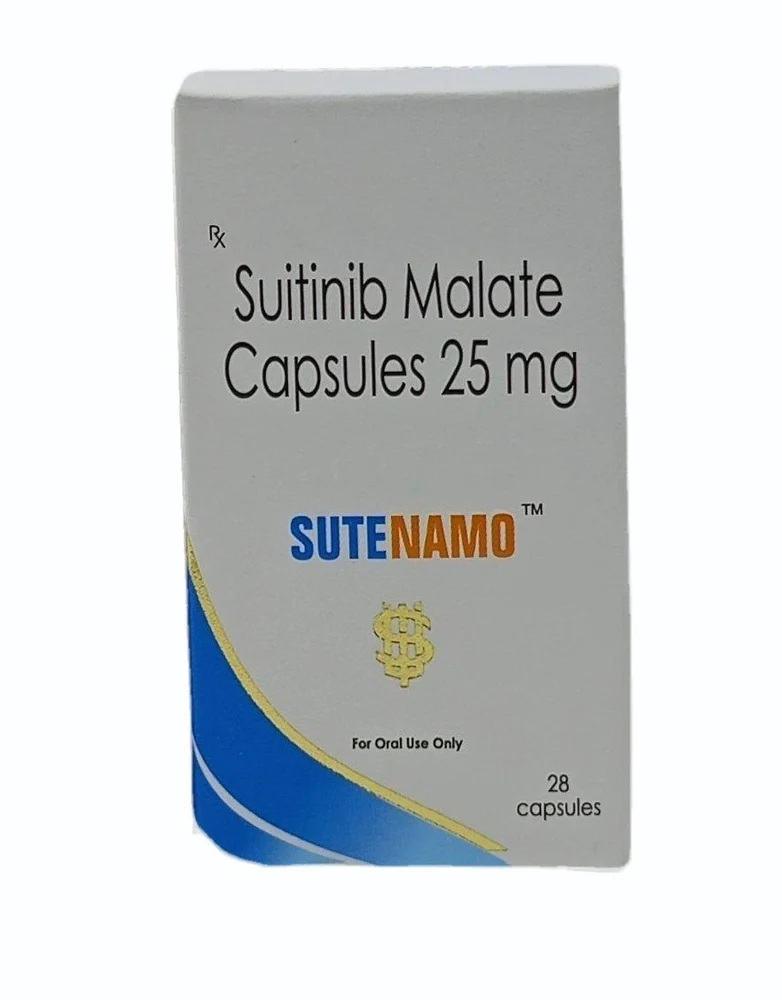
Sutenamo 25mg Capsule
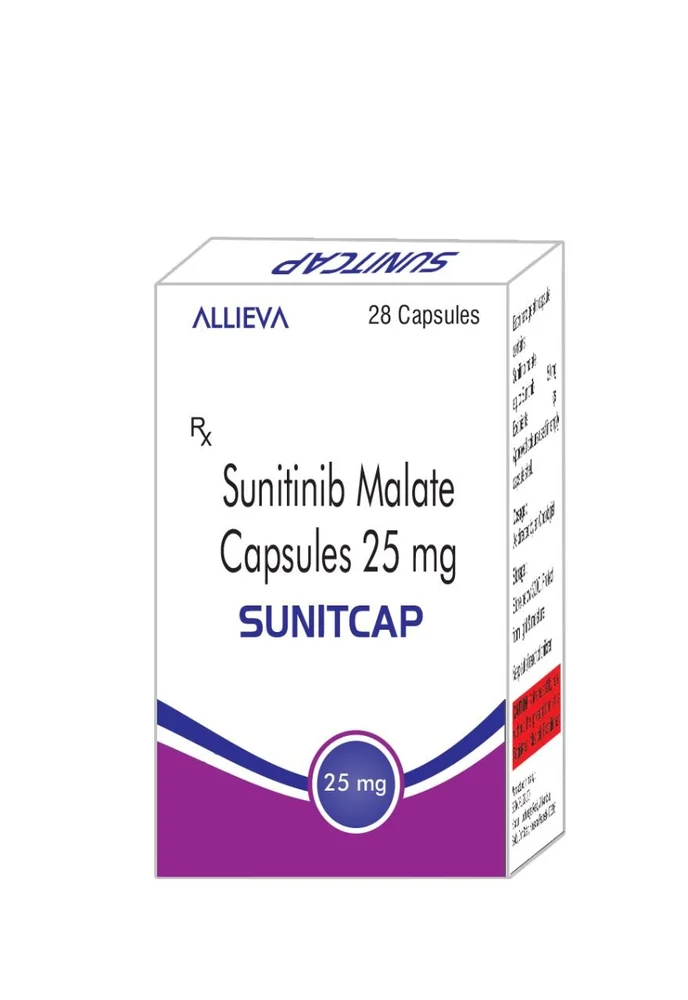
Sunitcap 25mg Capsule
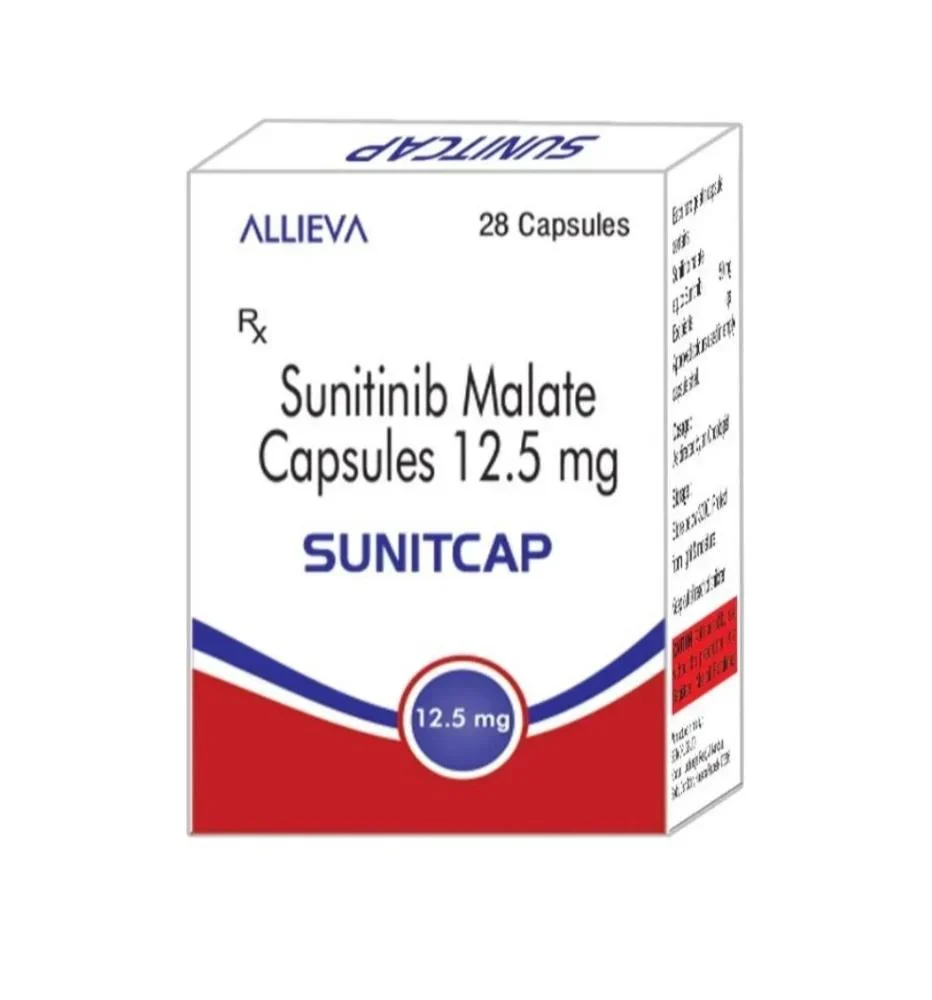
Sunitcap 12.5mg Capsule
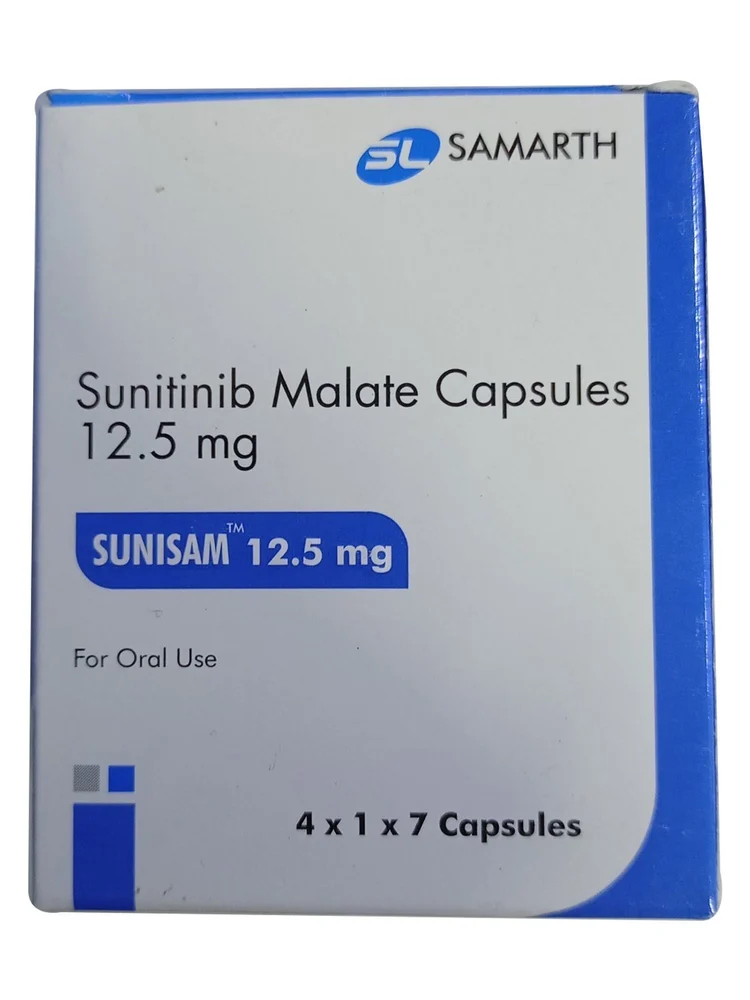
Sunisam 12.5mg Capsule
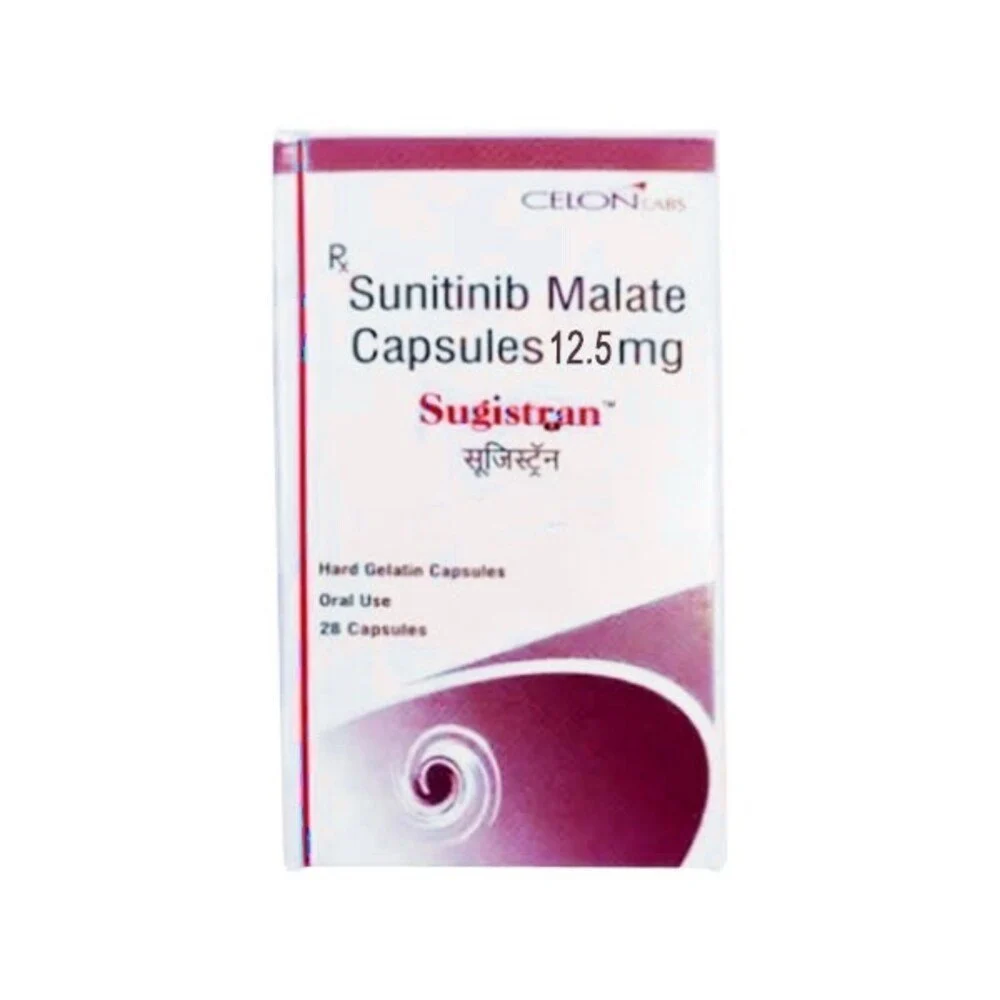
Sugistran 12.5mg Capsule
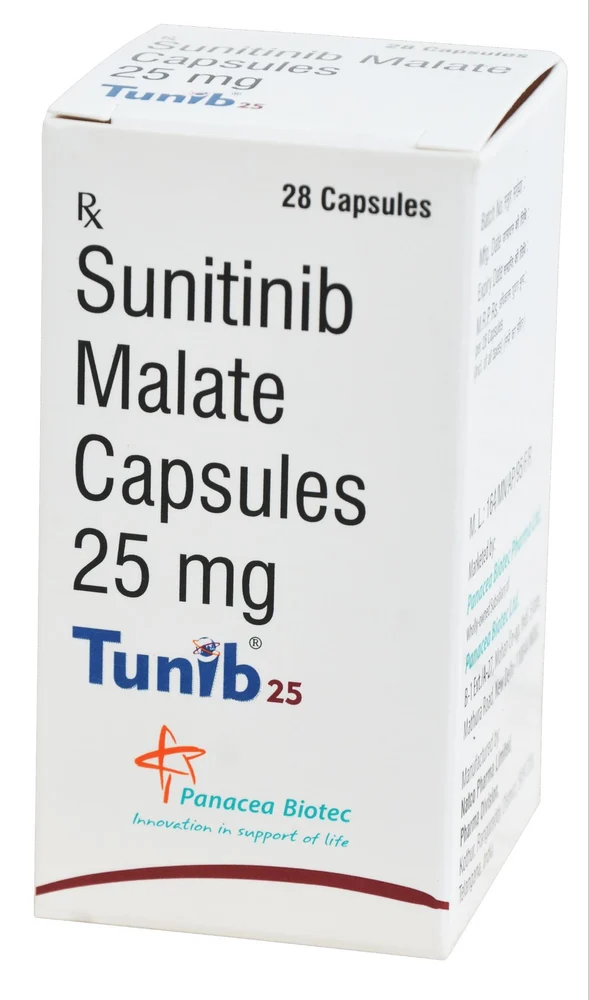
Tunib 25mg Capsule
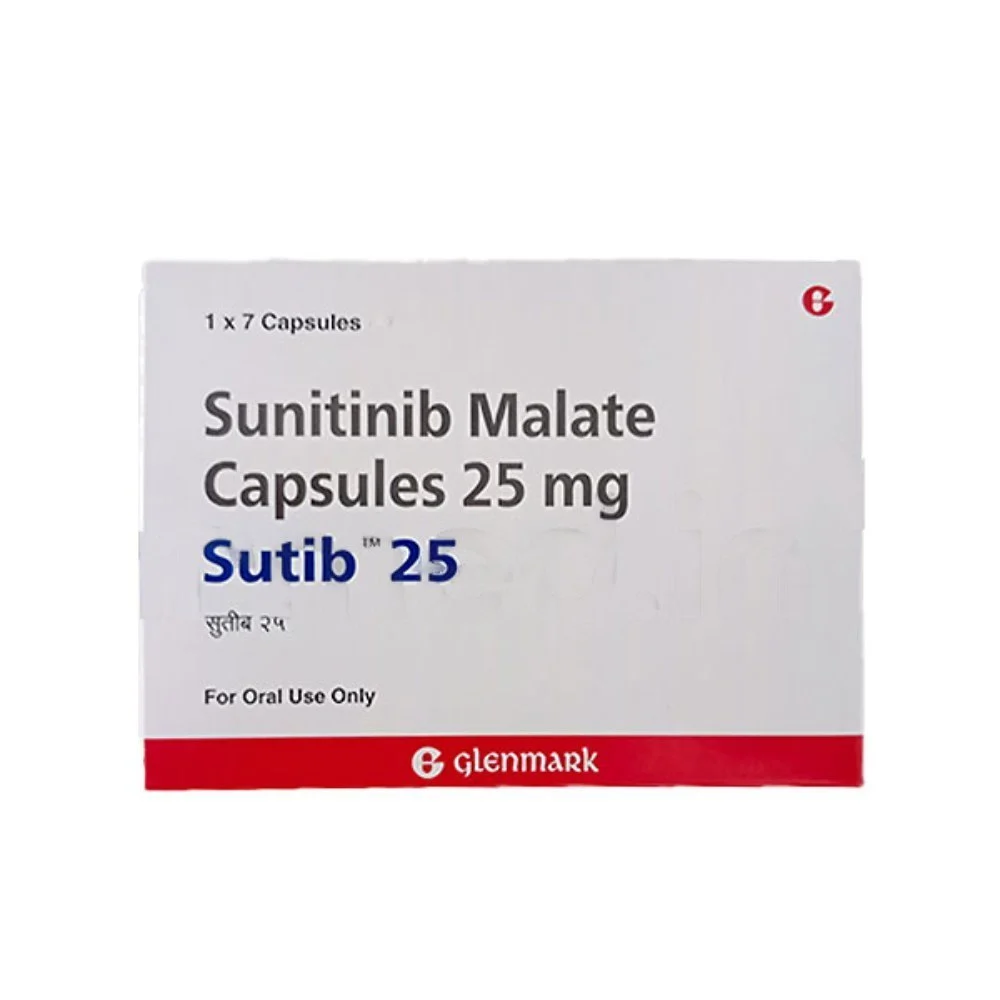
Sutib 25mg Capsule
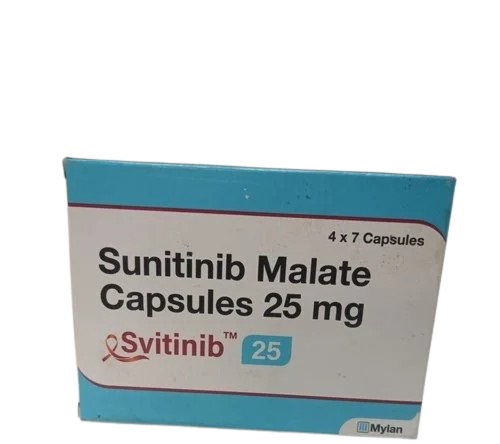
Svitinib 25mg Capsule
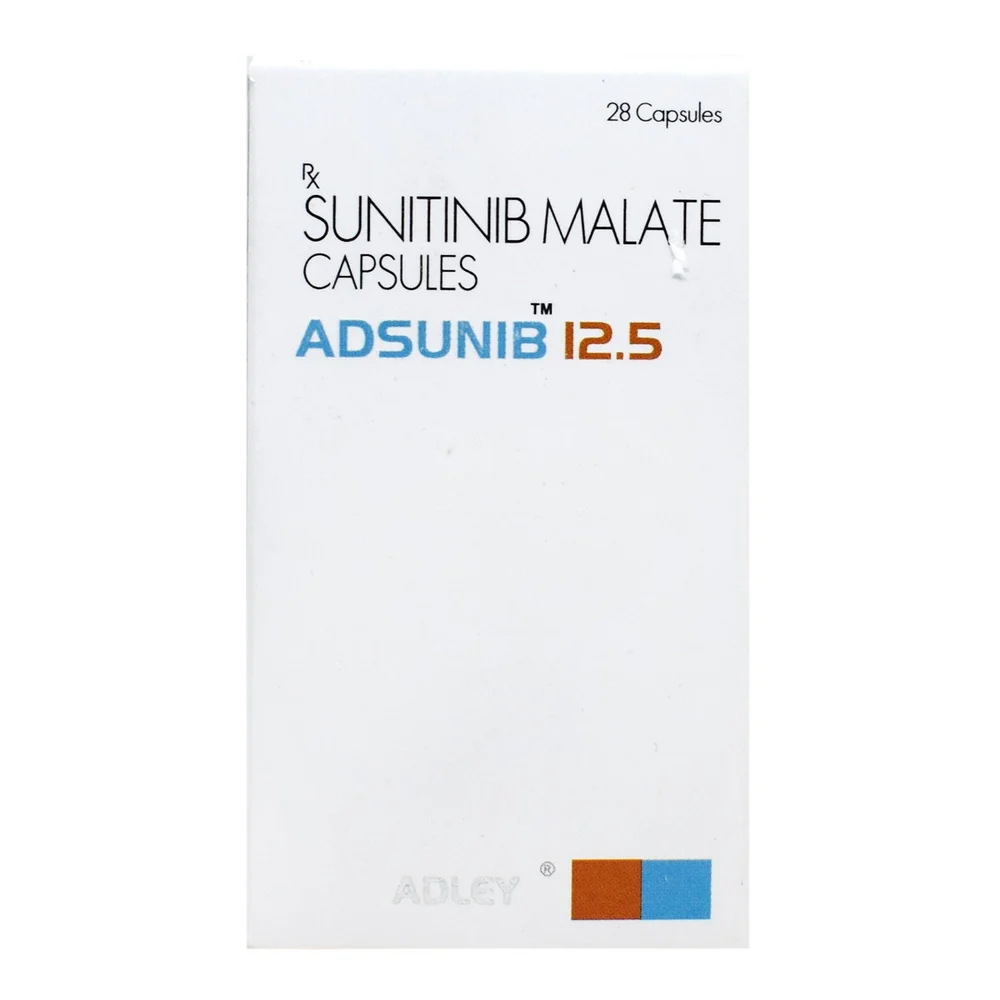
Adsunib 12.5mg Capsule
Healtinib 50mg Capsule
Tunib 12.5mg Capsule
Sutekast 12.5mg Capsule
Sunicine 12.5mg Capsule
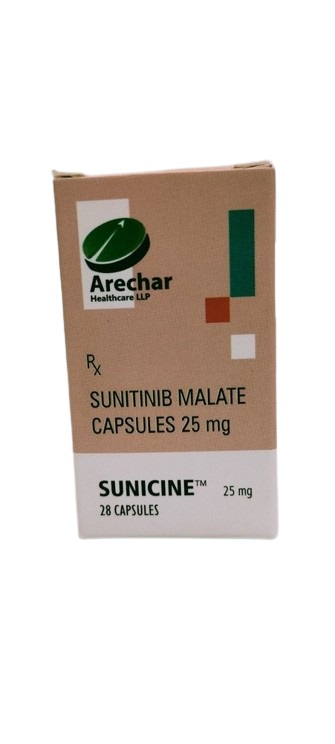
Sunicine 25mg Capsule
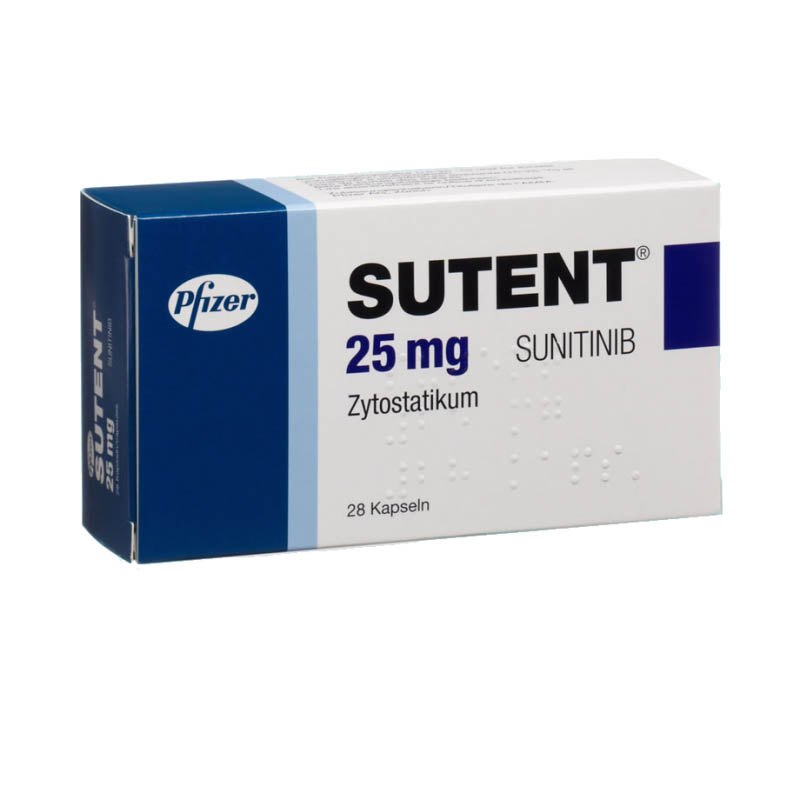
Sutent 25mg Capsule
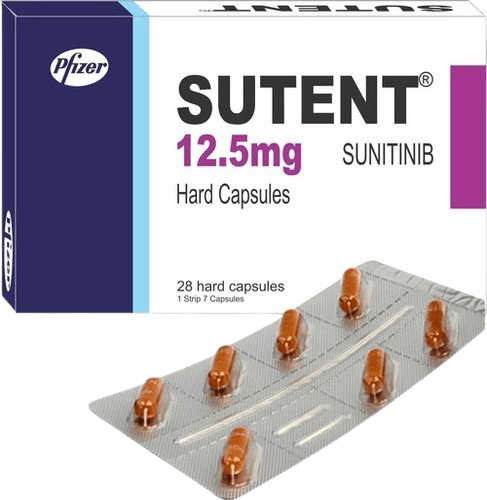
Sutent 12.5mg Capsule
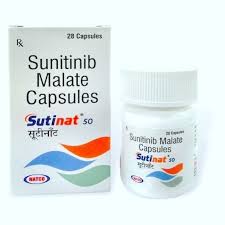
Sutinat 50mg Capsule
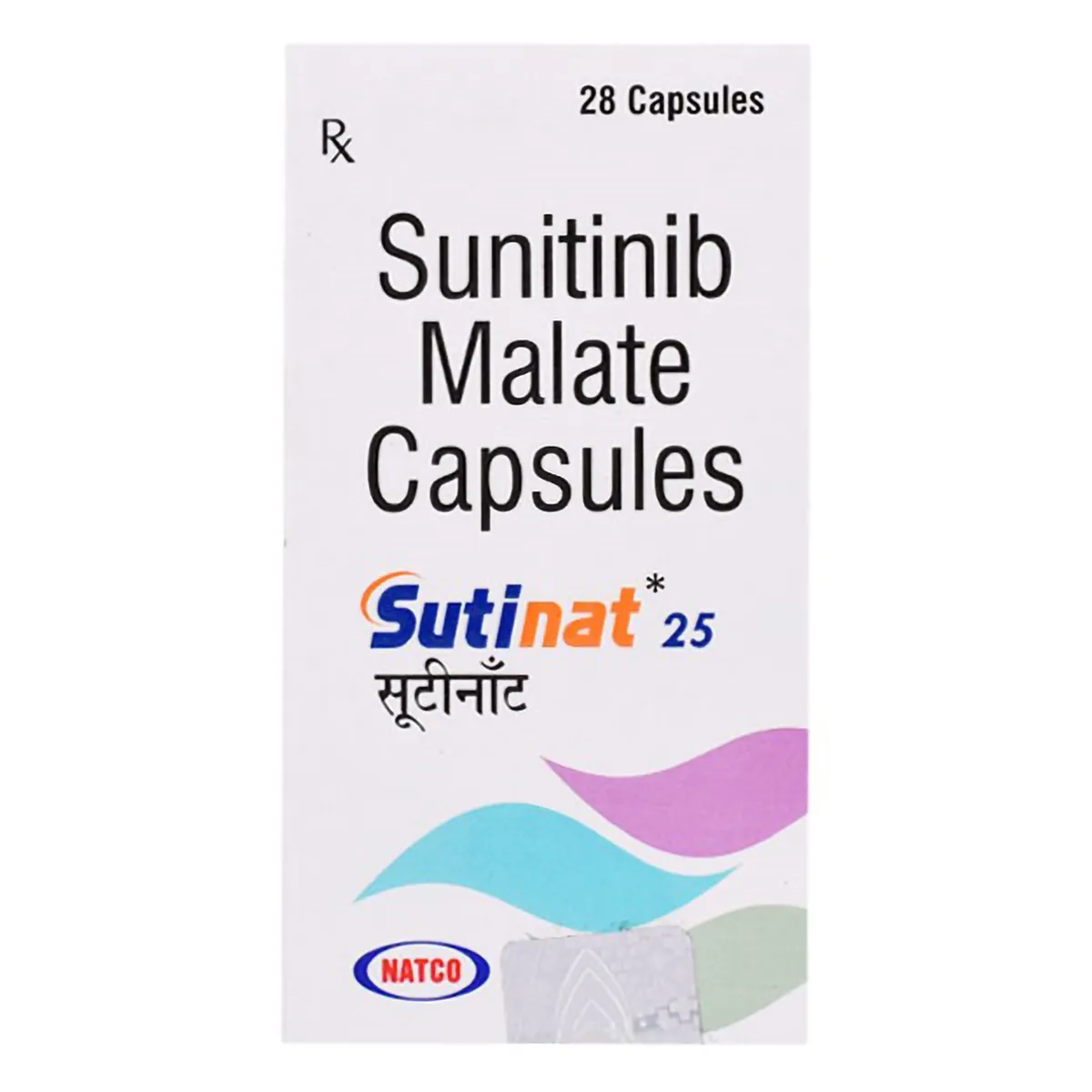
Sutinat 25mg Capsule
Overview
The Sutib 12.5mg Capsule contains sunitinib, an oral multi-target receptor tyrosine kinase inhibitor. It blocks signaling pathways, including VEGFR and PDGFR, that contribute to tumor growth and angiogenesis. Sunitinib 12.5mg Capsule is used in selected patients with gastrointestinal stromal tumor (GIST), advanced renal cell carcinoma, and pancreatic neuroendocrine tumors, depending on the disease setting and approved label.
Treatment schedules vary by indication and may involve treatment cycles or continuous daily dosing. Because sunitinib 12.5mg capsules can affect blood pressure, heart function, thyroid function, liver, blood counts, and other organs, regular monitoring is required. Sutib 12.5mg Capsule is a prescription medicine, and dose changes should only be made by the treating oncologist.
Quick Product Facts
| Field | Publication wording |
|---|---|
| Brand | Sutib |
| Active ingredient | Sunitinib |
| Strength / presentation | 12.5 mg |
| Form | Capsule |
| Medicine class | Multi-target receptor tyrosine kinase inhibitor |
| Manufacturer / marketer | Glenmark |
| Pack | 28 capsules |
| Prescription | Yes |
Uses and Indications
Sunitinib 12.5mg Capsule is used for GIST after disease progression on or intolerance to imatinib; for advanced or metastatic renal cell carcinoma; and for progressive, well-differentiated pancreatic neuroendocrine tumors in selected patients with unresectable locally advanced or metastatic disease. Approved indications and dosing schedules vary by jurisdiction. Treatment choice considers previous therapy, tumor biology, cardiovascular health, liver function, thyroid function, and potential interactions.
How Sutib 12.5mg Capsule Works
Sunitinib 12.5mg Capsule inhibits several receptor tyrosine kinases, including VEGFRs, PDGFRs, KIT, FLT3, and RET. These pathways are involved in tumor proliferation and angiogenesis. In GIST, inhibition of KIT/PDGFR signaling is especially relevant; in renal cell carcinoma and pancreatic neuroendocrine tumors, anti-angiogenic effects are important. Its broad kinase activity also explains the need to monitor blood pressure, cardiac function, thyroid function, liver tests, and blood counts.
Clinical Evidence for Sutib 12.5mg Capsule
Evidence context: The studies below are pivotal or widely cited evidence supporting the sunitinib 12.5mg capsule in major treatment settings. Trial results should not be interpreted as a guarantee of benefit for an individual patient, and exact eligibility must match the current approved indication and oncology guideline.
| Study | Why it matters |
|---|---|
| Pivotal metastatic RCC trial | Showed improved progression-free survival with sunitinib 12.5mg capsule versus interferon-alfa in first-line metastatic renal cell carcinoma. |
| GIST pivotal trial | Supported sunitinib 12.5mg capsule after progression on or intolerance to imatinib in gastrointestinal stromal tumor. |
| pNET phase III trial | Supported sunitinib capsule in progressive, well-differentiated pancreatic neuroendocrine tumors. |
Side Effects of Sutib 12.5mg Capsule
Sutib 12.5mg Capsule may cause side effects, and their frequency varies by indication, dose, combination regimen, and patient population. The list below highlights clinically important effects rather than assigning a single percentage across different trials.
Common side effects
- Fatigue
- Diarrhea
- Nausea
- Mouth soreness
- Hypertension
- Hand-foot syndrome
- Taste changes
- Reduced appetite
- Skin or hair color changes
Serious side effects
- Heart failure / reduced ejection fraction
- Severe hypertension
- Liver injury
- Bleeding
- Thrombotic microangiopathy
- QT prolongation
Critical Safety Warning
Major risks include hepatotoxicity, cardiac dysfunction/heart failure, QT prolongation, hypertension, hemorrhage, thrombotic microangiopathy, thyroid dysfunction, severe skin reactions, osteonecrosis of the jaw, and impaired wound healing.
Sutib 12.5mg Capsule Dosage and How To Take It
For GIST after imatinib failure/intolerance and for advanced renal cell carcinoma, a common labeled regimen is 50 mg orally once daily for 4 weeks followed by 2 weeks off treatment (Schedule 4/2). For pancreatic neuroendocrine tumors, the labeled regimen is 37.5 mg orally once daily continuously. Dose adjustments are made in 12.5 mg steps depending on toxicity and interactions. The 12.5 mg capsule is commonly a dose-adjustment strength, not the usual starting dose for most indications.
Administration guidance: Take the Sutib 12.5mg capsule exactly according to the schedule prescribed for your condition. Sunitinib 12.5mg Capsule may be given in cycles, such as 4 weeks on treatment followed by 2 weeks off, or as continuous daily dosing in some indications. It can generally be taken with or without food. Swallow the capsule whole and take it at approximately the same time each day. Avoid grapefruit products. Blood pressure, blood counts, liver function, thyroid function, and cardiac status may be monitored. Dose interruption or reduction may be required for significant toxicity. Never alter the cycle or dose without your oncologist.
Sutib 12.5mg Capsule Missed Dose
If a dose is missed, do not double the next dose. Resume the normal schedule unless the oncology team instructs otherwise. Do not repeat a dose after vomiting.
Safety Advice for Sutib 12.5mg Capsule
| Category | Status | Guidance |
|---|---|---|
| Liver | Critical monitoring | Monitor liver function; severe and fatal hepatotoxicity has been reported. |
| Heart | Monitor | Assess cardiac history and function when clinically indicated; heart failure and reduced ejection fraction can occur. |
| Blood pressure | Monitor | Control hypertension and check regularly. |
| Pregnancy | Avoid | Can cause fetal harm; use effective contraception as directed by the label. |
| Breastfeeding | Avoid | Do not breastfeed during treatment and for the label-specified post-treatment period. |
| Surgery | Hold as directed | Can impair wound healing; follow specialist guidance around procedures. |
Monitoring During Sutib 12.5mg Capsule Treatment
Monitor blood pressure, CBC, liver function, and thyroid function. Assess cardiac function in patients with risk factors and consider ECG/electrolyte monitoring for QT risk. Monitor for bleeding, proteinuria, and signs of thrombotic microangiopathy. Dental assessment may be appropriate before treatment in high-risk patients.
Practical monitoring checklist
- Blood pressure before treatment and regularly during therapy
- Liver function according to baseline risk and treatment label
- Renal function and hydration/renal toxicity assessment as clinically indicated
- Cardiac assessment/ECG or ejection-fraction monitoring when clinically indicated
Sutib 12.5mg Capsule Fact Box
| Parameter | Verified / publication wording |
|---|---|
| Generic | Sunitinib |
| Brand | Sutib |
| Manufacturer / marketer | Glenmark |
| Strength / presentation | 12.5 mg |
| Form | Capsule |
| Drug class | Multi-target receptor tyrosine kinase inhibitor |
| Mechanism / target | Sunitinib 12.5mg Capsule inhibits several receptor tyrosine kinases, including VEGFRs, PDGFRs, KIT, FLT3, and RET. |
| Main indication context | Sunitinib Capsule is used for advanced or metastatic renal cell carcinoma and for progressive, well-differentiated pancreatic neuroendocrine tumors in specific patients. |
| Biomarker / selection | No routine predictive biomarker for standard indications |
| Administration | Oral |
| Major warning | Hepatotoxicity, heart failure, severe hypertension, QT prolongation, and bleeding |
| Pack | 28 capsules |
| Storage | Store at room temperature, preferably below 30°C, in a dry place. |
| Prescription required | Yes |
| Key evidence | Pivotal metastatic RCC trial, GIST pivotal trial, pNET phase III trial |
Sutib 12.5mg Capsule Drug Interactions
| Drug / Class | Risk | What To Do |
|---|---|---|
| Strong CYP3A4 inhibitors | Increase sunitinib 12.5mg exposure | Avoid or reduce the dose according to the label if unavoidable. |
| Strong CYP3A4 inducers | Reduce sunitinib 12.5mg exposure | Avoid or use label-based dose management. |
| Grapefruit | May increase exposure | Avoid. |
| QT-prolonging medicines | May increase arrhythmia risk | Review ECG/electrolytes and alternatives. |
| Anticoagulants/antiplatelets | May increase bleeding risk | Monitor carefully. |
FAQs About Sutib 12.5mg Capsule
What is the Sutib 12.5mg capsule used for?

The Sutib 12.5mg capsule contains sunitinib. Its approved uses depend on the cancer type, disease stage, biomarkers where relevant, previous treatment, and the current product label. The oncologist determines whether this medicine fits the treatment plan.
Is Sutib 12.5mg a chemotherapy capsule?
This is not traditional cytotoxic chemotherapy; it is a targeted anticancer medicine.
Can the dose be decided from the tablet/capsule/vial strength?
No. The strength printed on the pack is not necessarily the patient dose. Dosing may depend on indication, body size, kidney/liver function, treatment cycle, combination regimen, and toxicity.
What should I do if I develop a fever during treatment with Sutib 12.5mg?
Contact the oncology team urgently, especially with medicines that lower white blood cells. Fever during neutropenia can indicate a serious infection requiring rapid assessment.
Can I stop the Sutib 12.5mg treatment if side effects occur?
Do not stop or reduce treatment on your own. Many oncology medicines have structured interruption and dose-reduction rules that allow toxicity to be managed safely.
Can I take supplements or herbal medicines with this treatment?
Only after discussing them with the oncology team. Herbal products and OTC medicines can alter drug levels, bleeding risk, liver function, or treatment toxicity.
Does the 12.5 mg capsule mean the daily dose is 12.5 mg?
Not necessarily. The prescribed daily dose depends on the indication, schedule, toxicity, and drug interactions. Several capsule strengths may be combined to make the required dose.
Where can I confirm Sutib 12.5mg capsule availability?
Current stock and prescription fulfillment can be confirmed by visiting our website. Availability may vary by location, so it is advised to first check the stock before placing an order.
References
- FDA/EMA Sutent (sunitinib 12.5mg Capsule) Prescribing Information. https://www.accessdata.fda.gov/drugsatfda_docs/label/2012/021938s019s020lbl.pdf
- NCCN Clinical Practice Guidelines for Kidney Cancer and GIST. https://www.nccn.org/guidelines/guidelines-detail?category=1&id=1440
- National Library of medicine. Sunitinib 12.5mg Capsule: ten years of successful clinical trails. https://pmc.ncbi.nlm.nih.gov/articles/PMC5313263/
- ScienceDirect. Sunitinib 12.5mg Capsule. https://pmc.ncbi.nlm.nih.gov/articles/PMC5313263/
- Frontiers. Sunitinib 12.5mg Capsule. https://www.frontiersin.org/journals/pharmacology/articles/10.3389/fphar.2023.1294688/full
Marketer Details
Glenmark
Author Details

Written By:
Nonish Sharma
I am a medical content writer with a strong academic background in life sciences, holding an M.Sc. in Biotechnology... Read More

Reviewed By:
Vaibhav Shakya
Dr. Vaibhav Shakya, MD, is a Medical reviewer and medicine expert at Globans Pharma, with more than 9 years of experienc... Read More
Want to know More
Check our Editor Policy
Disclaimer
Globanspharma main goal is to ensure that its consumers get correct, authentic, and reliable information that has been examined by medical professionals. This website's content has only been created for informational purposes. However, this is not meant to replace the medical advice and treatment given by a qualified physician. The information presented herein may not cover everything about particular lab tests, medicines, and health conditions, all possible side effects, and warnings. Please discuss all your queries related to any medication and illness with your doctor. We intend to support and maintain the doctor-patient relationship, not to substitute it or take its place.