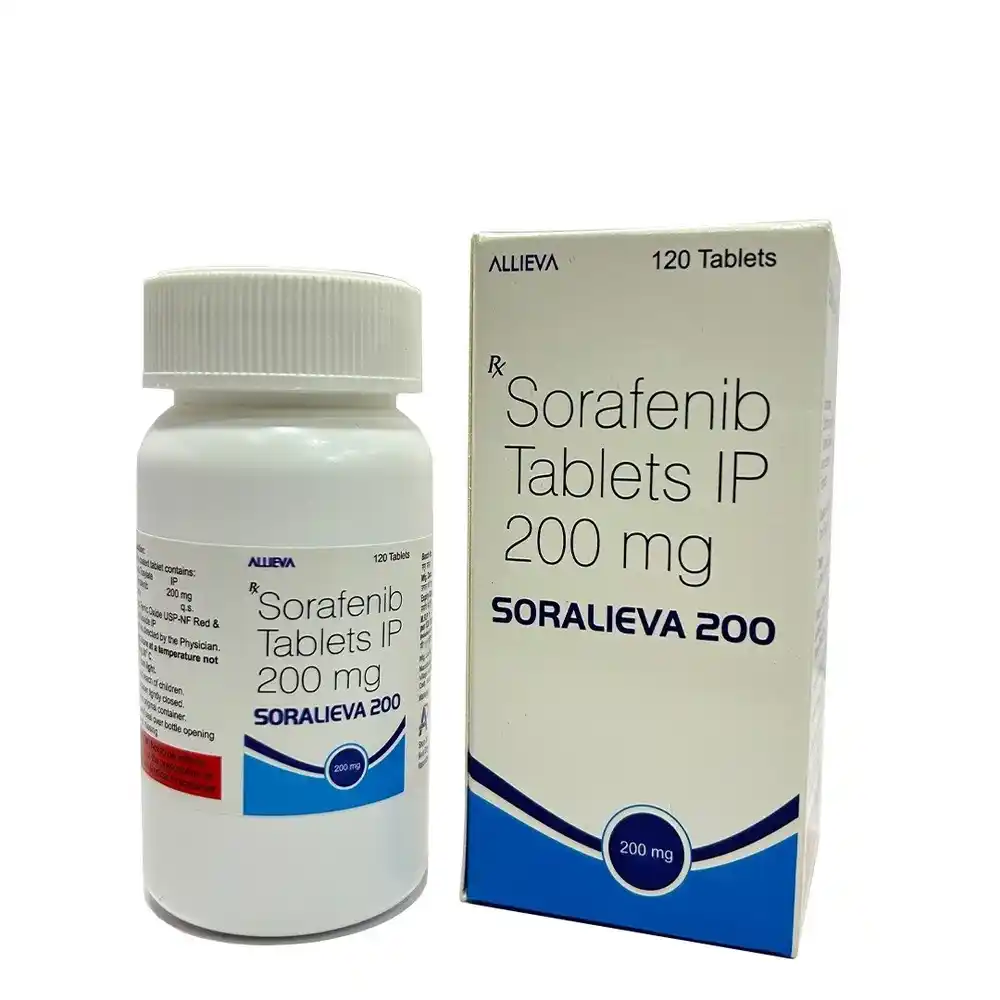
Soralieva 200mg Tablet (Sorafenib)
 Prescription Required
Manufactured By
Allieva
Pack Of
120
Salt Composition
Sorafenib
Storage
Store below 30°C in a dry place.
ALL SUBSTITUTES
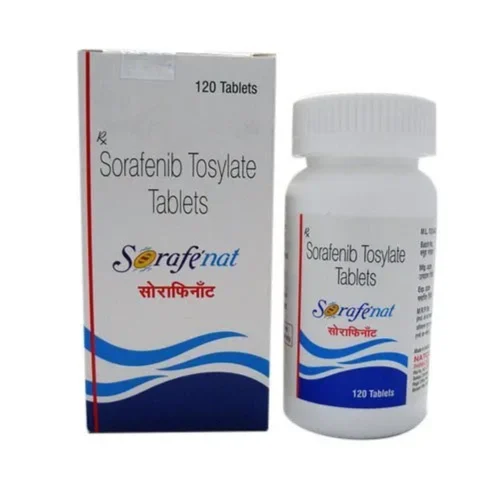
Sorafenat 200mg Tablet
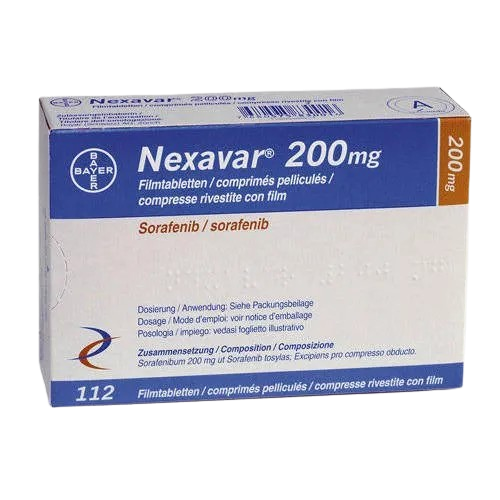
Nexavar 200mg Tablet
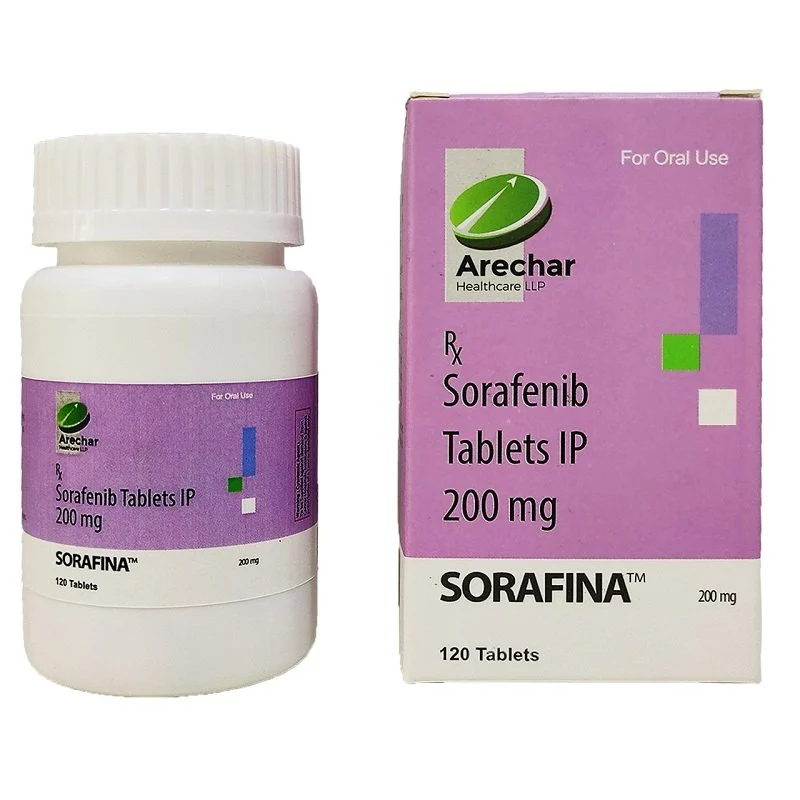
Sorafina 200mg Tablet
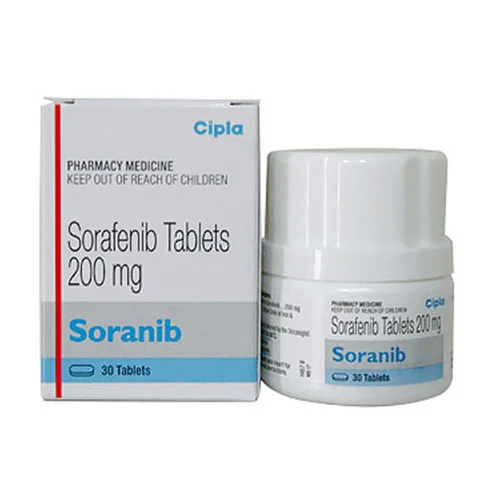
Soranib 200mg Tablet
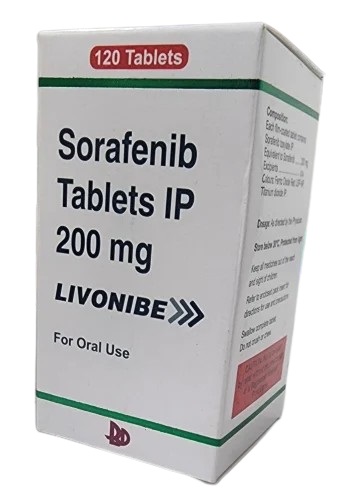
Livonibe 200mg Tablet
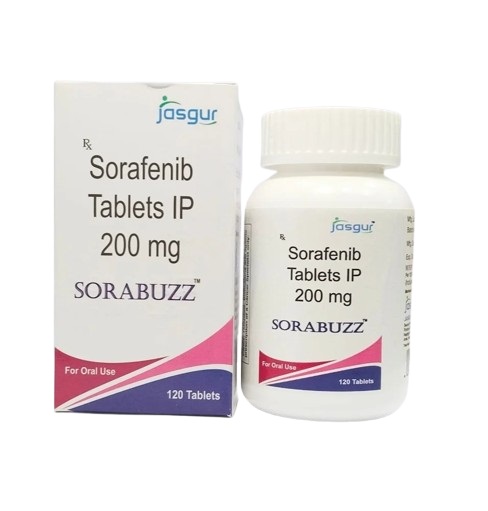
Sorabuzz 200mg Tablet
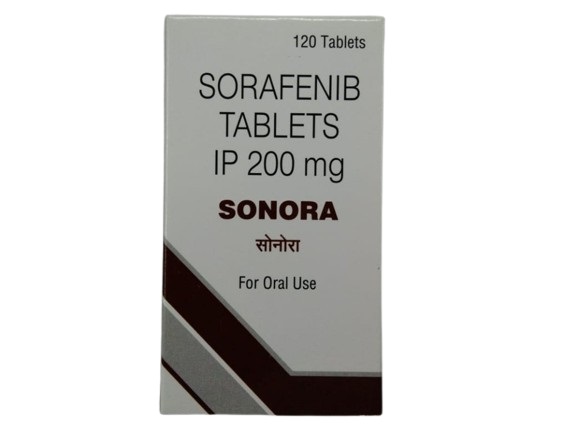
Sonora 200mg Tablet
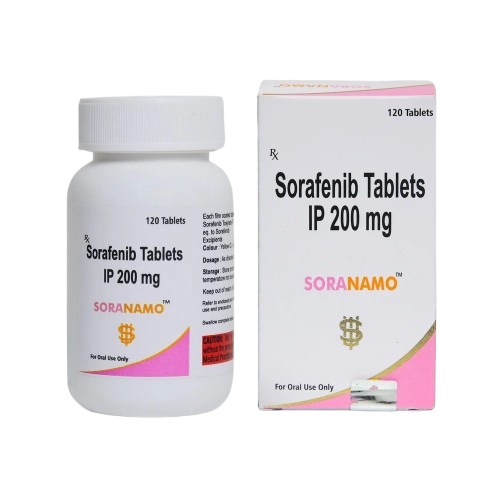
Soranamo 200mg Tablet
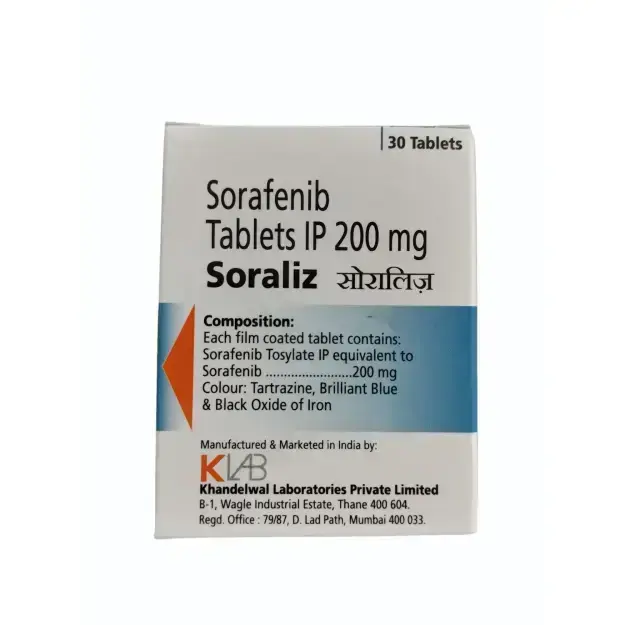
Soraliz 200mg Tablet
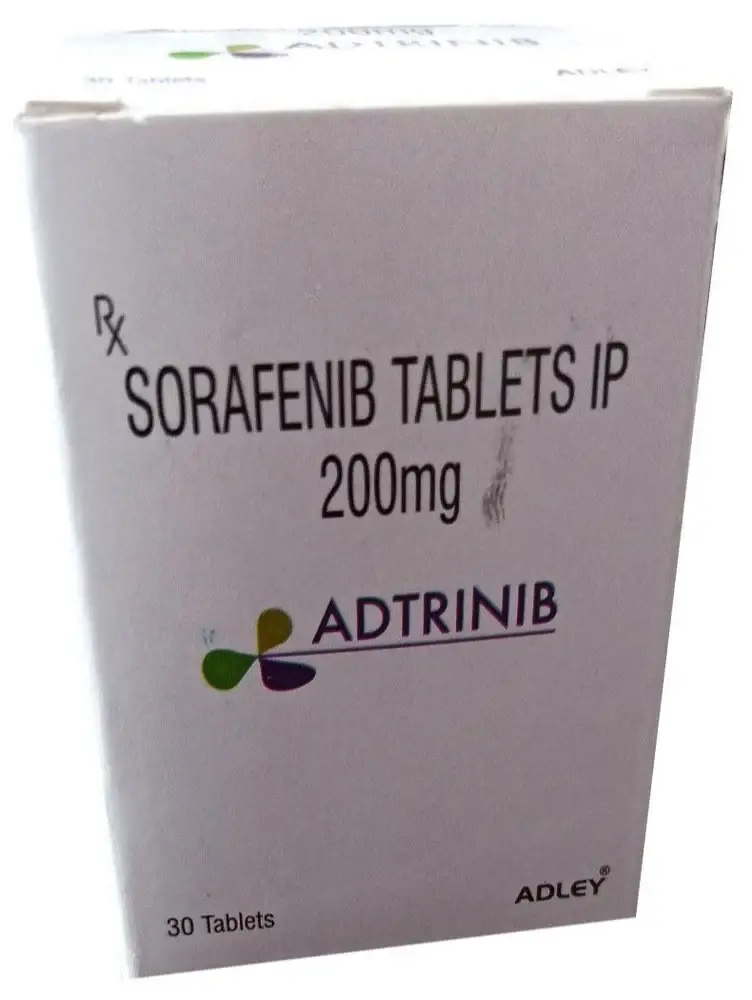
Adtrinib 200mg Tablet
Overview
The Soralieva 200mg Tablet contains sorafenib, an oral multi-kinase inhibitor used as targeted anticancer therapy. It blocks several kinases involved in tumor-cell signaling and angiogenesis, including RAF kinases and vascular endothelial growth factor receptors. Sorafenib 200mg is used in selected patients with hepatocellular carcinoma, advanced renal cell carcinoma, and differentiated thyroid carcinoma that is refractory to radioactive iodine, depending on the clinical setting and local label. It can cause hand-foot skin reaction, diarrhea, hypertension, and other significant adverse effects. Sorafenib 200mg Tablet is a prescription medicine and should be monitored by an oncologist, with attention to blood pressure, skin toxicity, liver function, bleeding risk, and potential drug interactions.
Quick Product Facts
| Field | Publication wording |
|---|---|
| Brand | Soralieva |
| Active ingredient | Sorafenib |
| Strength / presentation | 200 mg |
| Form | Tablet |
| Medicine class | Multi-kinase inhibitor |
| Manufacturer / marketer | Allieva Pharma |
| Pack | 120 tablets |
| Prescription | Yes |
Uses and Indications
The sorafenib tablet is used for unresectable hepatocellular carcinoma in appropriate patients, advanced renal cell carcinoma, and locally recurrent or metastatic progressive differentiated thyroid carcinoma that is refractory to radioactive iodine. Its role can vary because newer systemic therapies are available for some of these diseases. The oncologist selects treatment according to tumor type, stage, previous therapy, liver function, performance status, and comorbidities. The Sorafenib 200mg Tablet is not a substitute for surgery or locoregional treatment when those options are appropriate.
How Soralieva 200mg Tablet Works
Soralieva 200mg inhibits multiple kinases involved in tumor-cell proliferation and angiogenesis, including RAF kinases and VEGFR/PDGFR signaling. By interrupting both intracellular growth pathways and tumor blood-vessel formation, the sorafenib 200mg tablet can slow progression in selected liver, kidney, and thyroid cancers. VEGF-pathway blockade contributes to toxicities such as hypertension, bleeding, and wound-healing problems, while effects on skin and other tissues contribute to hand-foot skin reaction and rash.
Clinical Evidence for Soralieva 200mg Tablet
Evidence context: The studies below are pivotal or widely cited evidence supporting the sorafenib 200mg Tablet in major treatment settings. Trial results should not be interpreted as a guarantee of benefit for an individual patient, and exact eligibility must match the current approved indication and oncology guideline.
| Study | Why it matters |
|---|---|
| SHARP | Established a survival benefit for the sorafenib 200mg tablet in advanced hepatocellular carcinoma. |
| TARGET | Supported sorafenib 200mg in advanced renal cell carcinoma. |
| DECISION | Supported sorafenib tablet in progressive radioactive-iodine-refractory differentiated thyroid cancer. |
Side Effects of Soralieva 200mg Tablet
Soralieva 200mg Tablet may cause side effects, and their frequency varies by indication, dose, combination regimen, and patient population. The list below highlights clinically important effects rather than assigning a single percentage across different trials.
Common side effects
- Hand-foot skin reaction
- Diarrhoea
- Fatigue
- Rash
- Hypertension
- Reduced appetite
- Weight loss
- Hair thinning
Serious side effects
- Severe bleeding
- Cardiac ischaemia / infarction
- GI perforation
- Severe hypertension
- Drug-induced liver injury
- Severe dermatologic reactions
Critical Safety Warning
Serious risks include cardiac ischemia/infarction, hemorrhage, severe hypertension, gastrointestinal perforation, severe dermatologic toxicity, drug-induced liver injury, QT prolongation, thyroid abnormalities, and impaired wound healing. Hand-foot skin reaction is common and should be managed early.
Soralieva 200mg Tablet Dosage and How To Take It
The standard labelled adult dose is 400 mg orally twice daily (two 200 mg tablets per dose). Take without food or with a low- or moderate-fat meal; avoid high-fat meals around dosing because they reduce bioavailability. Dose interruption or reduction may be required for hand-foot skin reaction, hypertension, hepatic toxicity, or other significant adverse effects. The Soralieva 200 mg tablet strength does not mean the usual total daily dose is 200 mg.
Administration guidance: Take the Soralieva 200mg Tablet exactly as prescribed, commonly as a twice-daily oral regimen. It should generally be taken without food or with a low- or moderate-fat meal; avoid taking it with a high-fat meal because absorption can be altered. Swallow tablets with water. Take doses at consistent times. Blood pressure should be checked regularly, especially during the first weeks. The oncology team may interrupt or reduce the dose for hand-foot skin reaction, diarrhea, hypertension, or other toxicity. Do not change treatment without medical advice. Tell your doctor before any planned surgery because the sorafenib 200mg tablet can affect wound healing.
Soralieva 200mg Tablet Missed Dose
If a dose is missed, skip it and take the next dose at the regular time. Do not double the dose. Do not repeat a dose after vomiting.
Safety Advice for Soralieva 200mg Tablet
| Category | Status | Guidance |
|---|---|---|
| Blood pressure | Monitor | Check and control blood pressure, particularly during the first weeks. |
| Skin | Early management | Hand-foot skin reaction and severe rash may require supportive care, interruption, or dose modification. |
| Pregnancy | Avoid | Can cause fetal harm; use effective contraception. |
| Breastfeeding | Avoid | Do not breastfeed during therapy and for the label-specified period after the final dose. |
| Surgery | Hold as directed | Can impair wound healing; follow oncologist/surgeon instructions around procedures. |
| Heart/bleeding | Caution | Report chest pain or significant bleeding promptly; review anticoagulant therapy. |
Monitoring During Soralieva 200mg Tablet Treatment
function as clinically appropriate. Review cardiovascular history and bleeding risk. Examine skin toxicity and discuss planned surgery because treatment may need to be withheld.
Practical monitoring checklist
- Blood pressure before treatment and regularly during therapy
- Liver function according to baseline risk and treatment label
Soralieva 200mg Tablet Fact Box
| Parameter | Verified / publication wording |
|---|---|
| Generic | Sorafenib |
| Brand | Soralieva |
| Manufacturer / marketer | Allieva Pharma |
| Strength / presentation | 200 mg |
| Form | Tablet |
| Drug class | Multi-kinase inhibitor |
| Mechanism / target | The Sorafenib 200mg Tablet inhibits multiple kinases involved in tumor cell proliferation and angiogenesis, including RAF kinases and VEGFR/PDGFR signaling. |
| Main indication context | The Sorafenib Tablet is used for unresectable hepatocellular carcinoma in appropriate patients, advanced renal cell carcinoma, and locally recurrent or metastatic progressive differentiated thyroid carcinoma that is refractory to radioactive iodine. |
| Biomarker / selection | No routine predictive biomarker; disease/stage based |
| Administration | Oral |
| Major warning | Hand-foot skin reaction, severe hypertension, bleeding, cardiac ischemia, and wound-healing complications |
| Pack | 120 tablets |
| Storage | Store below 30°C in a dry place. |
| Prescription required | Yes |
| Key evidence | SHARP, TARGET, DECISION |
Soralieva 200mg Tablet Drug Interactions
| Drug / Class | Risk | What To Do |
|---|---|---|
| Strong enzyme inducers | Can reduce sorafenib 200mg tablet exposure | Avoid when possible. |
| Warfarin/anticoagulants | May increase bleeding risk or alter anticoagulation | Monitor clinically and check INR where appropriate. |
| Neomycin | May reduce sorafenib tablet exposure | Avoid or review the need with the prescriber. |
| UGT-interacting medicines | May alter exposure to co-medications | Review clinically important UGT substrates/inhibitors with the pharmacy. |
FAQs About Soralieva 200mg Tablet
What is the Soralieva 200mg Tablet used for?

The Soralieva 200mg Tablet contains sorafenib. Its approved uses depend on the cancer type, disease stage, biomarkers where relevant, previous treatment, and the current product label. The oncologist determines whether this medicine fits the treatment plan.
Is Soralieva 200mg Tablet chemotherapy?
This is not traditional cytotoxic chemotherapy; it is a targeted anticancer medicine.
Can the dose be decided from the tablet/capsule/vial strength?
No. The strength printed on the pack is not necessarily the patient dose. Dosing may depend on indication, body size, kidney/liver function, treatment cycle, combination regimen, and toxicity.
What should I do if I develop a fever during Soralieva 200mg Tablet treatment?
Contact the oncology team urgently, especially with medicines that lower white blood cells. Fever during neutropenia can indicate a serious infection requiring rapid assessment.
Can I stop the Soralieva Tablet treatment if side effects occur?
Do not stop or reduce treatment on your own. Many oncology medicines have structured interruption and dose-reduction rules that allow toxicity to be managed safely.
Can I take supplements or herbal medicines with this treatment?
Only after discussing them with the oncology team. Herbal products and OTC medicines can alter drug levels, bleeding risk, liver function, or treatment toxicity.
Does the 200 mg tablet mean the usual dose is 200 mg daily?
No. In many labeled adult settings, sorafenib is given as 400 mg twice daily, using two 200 mg tablets per dose, unless the oncologist has modified the dose.
Where can I confirm current brand availability?
Current stock and prescription fulfillment can be confirmed by visiting our website. Availability may vary by location, so it is advised to first check the stock before placing an order.
References
- FDA/EMA Nexavar (sorafenib 20mg) Prescribing Information. https://www.accessdata.fda.gov/drugsatfda_docs/label/2007/021923s007lbl.pdf.
- NCCN guidelines for hepatocellular, kidney and thyroid cancers. Https://www.nccn.org/guidelines/category_1
- The new England journal of medicine. Sorafenib tablet in advanced hepatocellular carcinoma. Https://www.nejm.org/doi/full/10.1056/NEJMoa0708857.
- Asian pacific journal of cancer prevention. Efficiency and side effects of sorafenib therapy. Https://journal.waocp.org/article_28480_5c9eccb55088302296bb2e917cdf06fb.pdf.
- Journal of hepatology. Sorafenib. https://www.journal-of-hepatology.eu/article/s0168-8278(12)00440-0/fulltext
Marketer Details
Allieva
Author Details

Written By:
Nonish Sharma
I am a medical content writer with a strong academic background in life sciences, holding an M.Sc. in Biotechnology... Read More

Reviewed By:
Vaibhav Shakya
Dr. Vaibhav Shakya, MD, is a Medical reviewer and medicine expert at Globans Pharma, with more than 9 years of experienc... Read More
Want to know More
Check our Editor Policy
Disclaimer
Globanspharma main goal is to ensure that its consumers get correct, authentic, and reliable information that has been examined by medical professionals. This website's content has only been created for informational purposes. However, this is not meant to replace the medical advice and treatment given by a qualified physician. The information presented herein may not cover everything about particular lab tests, medicines, and health conditions, all possible side effects, and warnings. Please discuss all your queries related to any medication and illness with your doctor. We intend to support and maintain the doctor-patient relationship, not to substitute it or take its place.