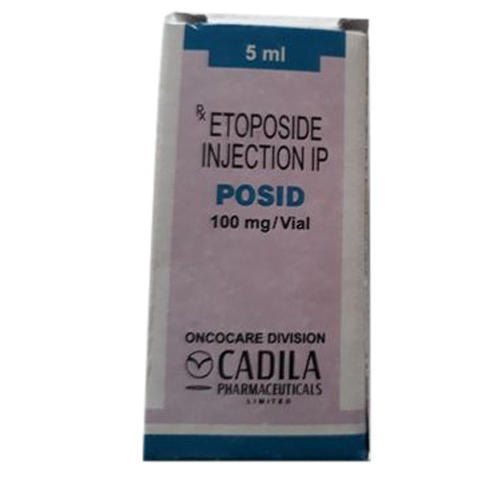

Posid 100mg Injection (Etoposide)
 Prescription Required
Manufactured By
Cadila Pharmaceuticals Ltd
Pack Of
1
Salt Composition
Etoposide
Storage
Store below 30°C and protect from light
ALL SUBSTITUTES
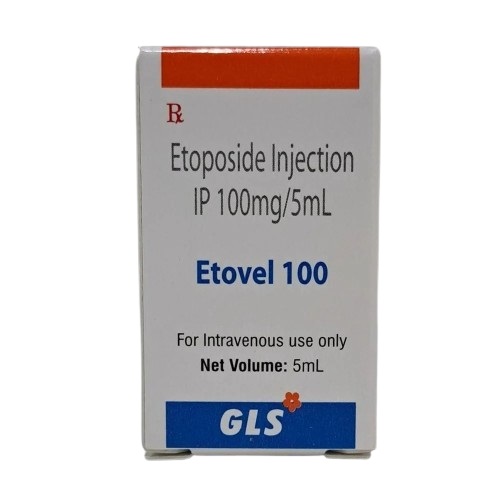
Etovel 100mg Injection
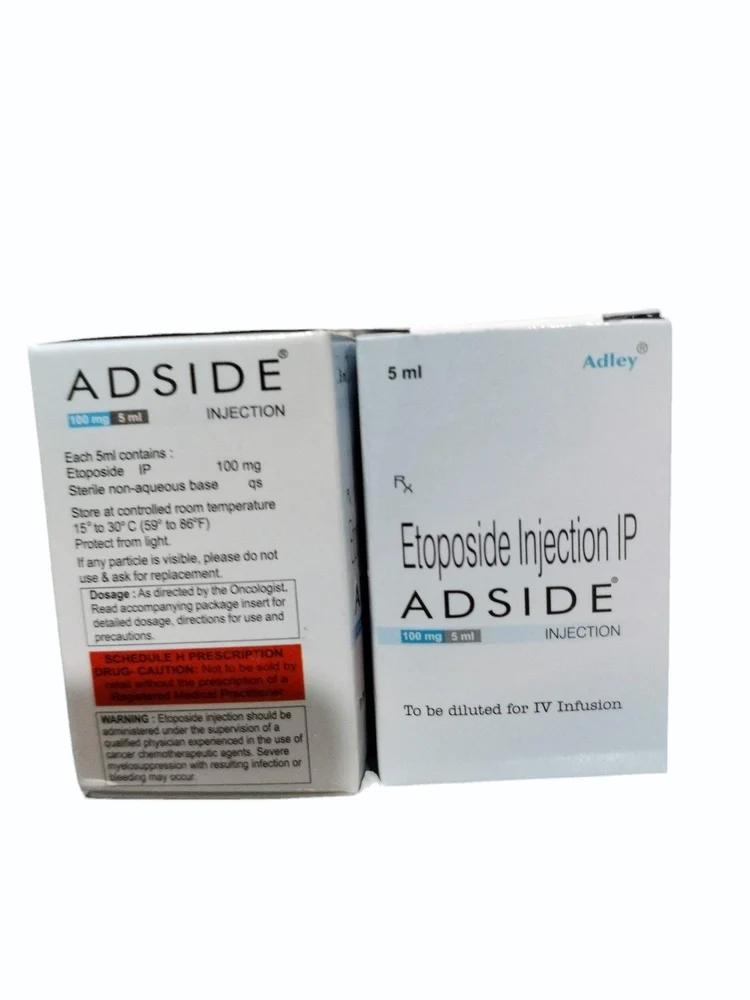
Adside 100mg Injection
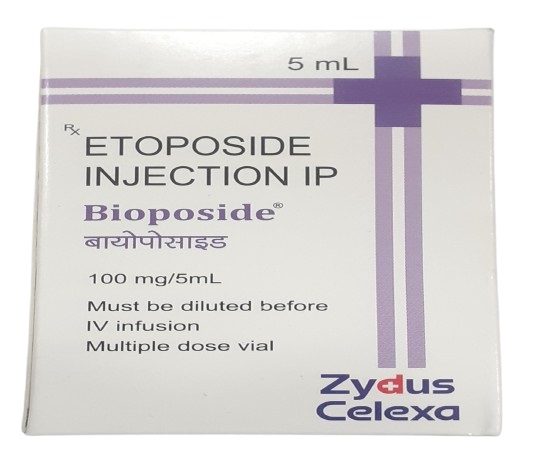
Bioposide 100mg Injection
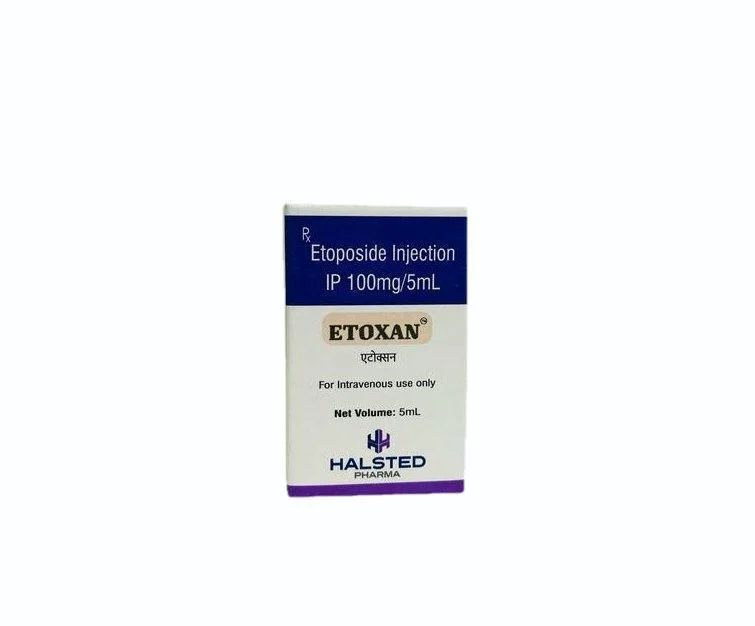
Etoxan 100mg Injection
Overview
Posid 100mg Injection contains etoposide, a cytotoxic anticancer medicine and topoisomerase II inhibitor. It interferes with an enzyme needed to manage DNA during cell division, causing DNA damage and preventing susceptible cancer cells from multiplying. Etoposide 100mg injection is used as part of combination chemotherapy for several cancers, especially small-cell lung cancer and testicular cancer, with additional uses depending on the treatment protocol and local label.
Etoposide injection is administered intravenously by trained healthcare professionals. The dose of Posid is calculated according to the treatment regimen, body size, organ function, and blood counts. Because etoposide can significantly suppress bone marrow and can cause infusion-related hypotension or allergic reactions, patients require careful monitoring before, during, and after treatment.
Quick Product Facts
| Field | Publication wording |
|---|---|
| Brand | Posid |
| Active ingredient | Etoposide |
| Strength / presentation | 100 mg/5 mL |
| Medicine class | Topoisomerase II inhibitor / cytotoxic chemotherapy |
| Form | Injection |
| Manufacturer / marketer | Cadila Pharmaceuticals Ltd |
| Pack | 1 vial, 5 mL (100 mg) |
| Prescription | Yes |
Uses and Indications
Etoposide injection is an established component of combination chemotherapy. Common approved uses include small-cell lung cancer and refractory or relapsed testicular tumors in combination with other anticancer medicines. Posid is also incorporated into specialist protocols for other malignancies, including certain lymphomas, leukemia, and solid tumors, where use depends on the specific regimen and institutional guideline. The indication, dose, and schedule should never be inferred from the vial strength alone. Oncologists select etoposide based on diagnosis, disease stage, prior treatment, kidney and liver function, and blood cell counts. Combination regimens can differ substantially in both dose and treatment days.
How Posid 100mg Injection Works
Etoposide 100mg injection inhibits topoisomerase II, an enzyme needed to cut and rejoin DNA strands during replication. Inhibition stabilizes the temporary DNA-topoisomerase complex and prevents proper re-ligation of DNA, causing strand breaks and ultimately cell death. Rapidly dividing tumor cells are especially vulnerable, but normal bone marrow and gastrointestinal cells can also be affected. This explains both its anticancer activity and major toxicities such as myelosuppression and mucosal effects.
Clinical Evidence for Posid 100mg Injection
Evidence context: The studies below are pivotal or widely cited evidence supporting the posid in major treatment settings. Trial results should not be interpreted as a guarantee of benefit for an individual patient, and exact eligibility must match the current approved indication and oncology guideline.
| Study | Why it matters |
|---|---|
| Platinum-etoposide evidence base | Etoposide 100mg plus cisplatin or carboplatin remains an established chemotherapy backbone in small-cell lung cancer. |
| BEP/EP regimens | Etoposide injection is a key component of curative-intent regimens used for germ-cell/testicular cancers. |
Side Effects of Posid 100mg Injection
Posid 100mg Injection may cause side effects, and their frequency varies by indication, dose, combination regimen, and patient population. The list below highlights clinically important effects rather than assigning a single percentage across different trials.
Common side effects
- Neutropenia / low white-cell count
- Anemia
- Thrombocytopenia
- Nausea and vomiting
- Hair loss
- Reduced appetite
- Mouth sores
- Fatigue
Serious side effects
- Febrile neutropenia / severe infection
- Severe infusion or hypersensitivity reaction
- Marked hypotension with rapid infusion
- Secondary acute leukemia
Critical Safety Warning
Severe bone-marrow suppression can lead to life-threatening infection or bleeding. Acute infusion/hypersensitivity reactions and marked hypotension can occur. Secondary acute leukemia is a rare long-term risk, especially with particular cumulative exposures and combination regimens.
Posid 100mg Injection Dosage and How To Take It
Etoposide 100mg injection is protocol dependent and is not dosed from the vial strength alone. FDA-labelled combination regimens include schedules such as 35 mg/m²/day IV for 4 days or 50 mg/m²/day IV for 5 days in small-cell lung cancer and 50-100 mg/m²/day on defined treatment days in testicular cancer regimens. Posid injection must be given by slow IV infusion; rapid administration can cause hypotension. Kidney function and, where appropriate, liver function can influence dosing. The treating oncologist must use the disease-specific chemotherapy protocol.
Administration guidance: Posid 100mg Injection must be administered by a doctor or trained oncology nurse. Etoposide injection is diluted and infused intravenously according to the prescribed chemotherapy protocol. It should not be given as a rapid IV push because hypotension can occur. Dose and infusion time depend on the regimen and patient factors. Blood counts are checked before treatment, and kidney and liver function may influence dosing. The oncology team may delay or adjust a cycle if blood counts are too low or significant toxicity develops. Do not self-administer the posid injection. Report fever, chills, breathing difficulty, dizziness, or signs of an allergic reaction immediately during or after the infusion.
Posid 100mg Injection Missed Dose
If a scheduled chemotherapy dose is missed, the oncology team must decide whether to reschedule, omit, or modify it. Never double or independently change a chemotherapy cycle.
Safety Advice for Posid 100mg Injection
| Category | Status | Guidance |
|---|---|---|
| Pregnancy | Avoid | Can cause fetal harm. Discuss contraception and fertility preservation before treatment. |
| Breastfeeding | Avoid | Breastfeeding is generally not recommended during treatment; follow the exact local label. |
| Blood counts | Essential | CBC monitoring is required because severe neutropenia, anemia and thrombocytopenia can occur. |
| Kidney/liver | Dose/monitor | Organ dysfunction may require dose adjustment according to the chemotherapy protocol. |
| Infusion | Controlled rate | Rapid IV administration can cause hypotension; give only at the prescribed infusion rate. |
| Vaccines | Caution | Avoid live vaccines during significant immunosuppression unless specifically directed. |
Monitoring During Posid 100mg Injection Treatment
Check CBC before each cycle and monitor for neutropenia, thrombocytopenia, and anemia. Assess renal function and liver function before and during treatment as clinically indicated. Monitor blood pressure during infusion and observe for hypersensitivity. Fever during neutropenia is an oncology emergency.
Practical monitoring checklist
- Complete blood count (CBC) at the label/protocol-recommended intervals
- Liver function according to baseline risk and treatment label
- Renal function and hydration/renal toxicity assessment as clinically indicated
Posid 100mg Injection Fact Box
| Parameter | Verified / publication wording |
|---|---|
| Generic | Etoposide |
| Brand | Posid |
| Manufacturer / marketer | Cadila Pharmaceuticals Ltd |
| Strength / presentation | 100 mg/5 mL |
| Form | Injection |
| Drug class | Topoisomerase II inhibitor / cytotoxic chemotherapy |
| Mechanism / target | Etoposide inhibits topoisomerase II, an enzyme needed to cut and rejoin DNA strands during replication. |
| Main indication context | Etoposide injection is an established component of combination chemotherapy. Common approved uses include small-cell lung cancer and refractory or relapsed testicular tumors in combination with other anticancer medicines. |
| Biomarker / selection | No routine predictive biomarker; regimen/disease based |
| Administration | IV infusion |
| Major warning | Severe myelosuppression, infection, hypersensitivity, and infusion-related hypotension |
| Pack | 1 vial, 5 mL (100 mg) |
| Storage | Store below 30°C and protect from light |
| Prescription required | Yes |
| Key evidence | Platinum-etoposide evidence base, BEP/EP regimens |
Posid 100mg Injection Drug Interactions
| Drug / Class | Risk | What To Do |
|---|---|---|
| Ciclosporin | Can increase etoposide exposure | Dose/monitoring may need adjustment. |
| Other myelosuppressive chemotherapy | Increases cytopenia/infection risk | Monitor blood counts and follow protocol-specific dose rules. |
| Warfarin | The anticoagulant effect may change | Monitor INR where clinically relevant. |
| Phenytoin/enzyme inducers | May reduce etoposide exposure | Review anticonvulsant therapy with oncology/pharmacy. |
| Live vaccines | Risk of serious infection during immunosuppression | Avoid unless specifically directed. |
FAQs About Posid 100mg Injection
What is the Posid 100mg Injection used for?

Posid 100mg Injection contains etoposide. Its approved uses depend on the cancer type, disease stage, biomarkers where relevant, previous treatment, and the current product label. The oncologist determines whether this medicine fits the treatment plan.
Is Posid 100mg Injection chemotherapy?
Yes, this is a cytotoxic chemotherapy medicine.
Can the dose be decided from the tablet/capsule/vial strength?
No. The strength printed on the pack is not necessarily the patient dose. Dosing may depend on indication, body size, kidney/liver function, treatment cycle, combination regimen, and toxicity.
What should I do if I develop a fever during treatment with the Posid injection?
Contact the oncology team urgently, especially with medicines that lower white blood cells. Fever during neutropenia can indicate a serious infection requiring rapid assessment.
Can I stop Posid treatment if side effects occur?
Do not stop or reduce treatment on your own. Many oncology medicines have structured interruption and dose-reduction rules that allow toxicity to be managed safely.
Can I take supplements or herbal medicines with Etoposide 100mg Injection treatment?
Only after discussing them with the oncology team. Herbal products and OTC medicines can alter drug levels, bleeding risk, liver function or treatment toxicity.
Does the 100 mg vial mean every patient receives 100 mg?
No. Vial strength is a presentation, not a universal dose. Etoposide 100mg dosing is regimen- and body-surface-area-dependent and must be calculated by the oncology team.
Where is the injection administered?
Etoposide 100mg injection should be prepared and given in a supervised oncology setting with appropriate monitoring and emergency support.
References
- FDA etoposide injection prescribing information.https://www.accessdata.fda.gov/drugsatfda_docs/label/2026/220200Orig1s000lbl.pdf.
- NCI Drug Dictionary: Etoposide.https://www.cancer.gov/publications/dictionaries/cancer-drug/def/etoposide.
- Relevant NCCN disease-specific chemotherapy protocols.https://www.nccn.org/guidelines/category_1.
- National Library of Medicine. Integrating Cancer Clinical Practice Guidelines into the Healthcare Debate. Am Health Drug Benefits https://pmc.ncbi.nlm.nih.gov/articles/PMC4114028/
- Drug. Com.Know more be sure. Etoposide information. https://www.drugs.com/pro/etoposide.html
Marketer Details
Cadila Pharmaceuticals Ltd
Author Details

Written By:
Nonish Sharma
I am a medical content writer with a strong academic background in life sciences, holding an M.Sc. in Biotechnology... Read More

Reviewed By:
Vaibhav Shakya
Dr. Vaibhav Shakya, MD, is a Medical reviewer and medicine expert at Globans Pharma, with more than 9 years of experienc... Read More
Want to know More
Check our Editor Policy
Disclaimer
Globanspharma main goal is to ensure that its consumers get correct, authentic, and reliable information that has been examined by medical professionals. This website's content has only been created for informational purposes. However, this is not meant to replace the medical advice and treatment given by a qualified physician. The information presented herein may not cover everything about particular lab tests, medicines, and health conditions, all possible side effects, and warnings. Please discuss all your queries related to any medication and illness with your doctor. We intend to support and maintain the doctor-patient relationship, not to substitute it or take its place.